Buying Guide
Volkswagen Polo Problems & Buying Guide
A supermini that punches above its class in refinement and quality. Essentially a smaller Golf, sharing many VW Group engines. The GTI offers genuine hot hatch performance.
A supermini that punches above its class in refinement and quality. Essentially a smaller Golf, sharing many VW Group engines. The GTI offers genuine hot hatch performance.
The Volkswagen Polo has been a UK favourite since the 1970s, offering Golf-like quality in a smaller, more affordable package. It shares many engines and components with its bigger sibling, which means similar strengths and some of the same weaknesses.
According to SMMT data, there were 153,583 used Polo transactions in 2025, making it the seventh most popular used car in the UK. The Polo's popularity as a first car and urban runabout means there is a huge choice on the used market, but condition and specification vary enormously. Choosing the right engine and gearbox combination is particularly important, as some variants carry significantly higher repair risks than others.
We've compiled 12 known issues for the Polo range in our database. Here are the five that matter most, drawn from data by VW specialists and owner communities across the UK.
Go deeper: Run a free Get Car Wise report on a specific Polo to see which issues apply to that exact car, plus full MOT history, mileage checks and a personalised buyer checklist.
See every franchised dealer visit, dates, mileage readings, and work done before you buy.
£6.99 · Full refund if no records found
The Polo has evolved from a basic city car into a supermini that genuinely rivals the Golf of a generation earlier for space, refinement and equipment. Here is what you need to know about each generation still commonly found on the used market.
Mk4 / 9N (2002 to 2009) - The Mk4 Polo was a significant step up from the utilitarian earlier models. It was available in both three-door and five-door configurations, with a range of petrol and diesel engines from 1.2-litre naturally aspirated units up to the 1.8-litre turbocharged GTI. Build quality improved noticeably over the previous generation, with a more solid feel to the doors, switches and interior trim. The Mk4 Polo is now firmly in the budget end of the market, and at this age, condition matters far more than specification. Rust can be an issue, particularly around the rear wheel arches, boot floor and sills. The 1.4-litre 16v petrol and 1.9 TDI diesel were the most popular engines. These cars are cheap to buy but running costs can creep up as age-related issues accumulate.
Mk5 / 6R and 6C (2009 to 2017) - The Mk5 Polo brought a more refined driving experience and a significant interior quality upgrade. It won European Car of the Year in 2010. The engine range moved towards smaller turbocharged units, with the 1.2 TSI becoming the mainstream petrol choice and the 1.4 TSI powering the GTI variant. The five-door body became standard, and the three-door was dropped partway through the production run. The Mk5 Polo GTI, with its 1.4 TSI engine producing 178bhp (later 189bhp in the 6C facelift), offered genuine hot hatch performance in a compact package. This generation is one of the most common Polos on the used market and represents good value, though the 1.2 TSI timing chain issue (covered below) is a significant concern on pre-2013 cars. The 6C facelift (2014 to 2017) brought revised styling, improved infotainment and the option of the newer 1.0 TSI three-cylinder engine.
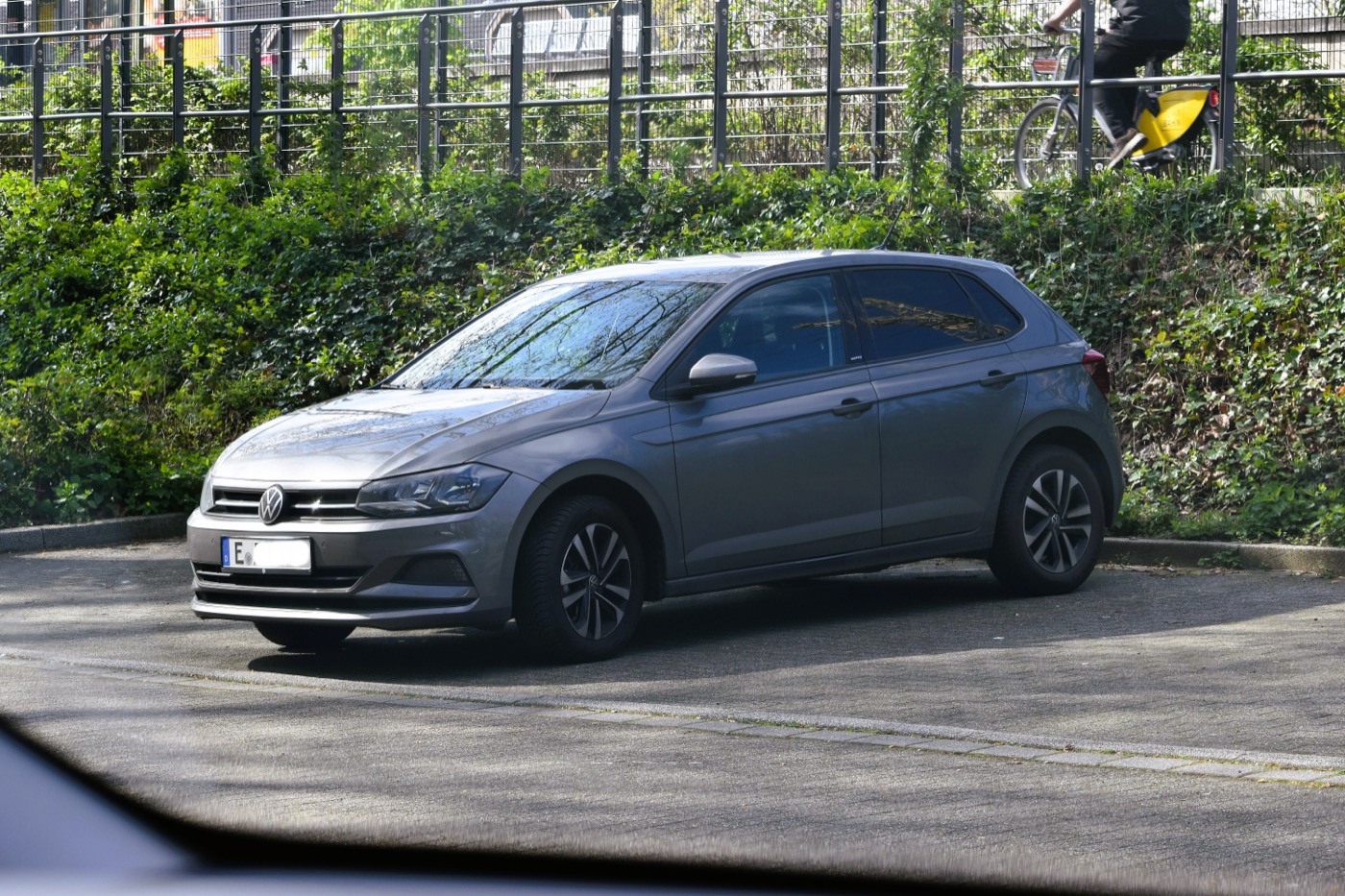
Mk6 / AW (2017 onwards) - The current-generation Polo moved to VW's MQB A0 platform and grew substantially in every dimension. At 4,053mm long, the Mk6 Polo is nearly the same size as a Mk5 Golf, offering significantly more cabin and boot space than its predecessor. The interior took another step forward in quality and technology, with a digital cockpit option, larger touchscreen infotainment and a more grown-up feel overall. Engine choices centre on the 1.0-litre three-cylinder in naturally aspirated (MPI) and turbocharged (TSI) forms, with 65bhp, 80bhp, 95bhp and 110bhp outputs. The Polo GTI uses a 2.0 TSI with 200bhp and is available with either a six-speed manual or DSG. The Mk6 Polo feels like a genuinely premium small car, and used examples from 2018 to 2020 are now entering the more affordable part of the market. It is worth checking for the seatbelt recall on early production cars (covered in the issues section).
The Polo has long been one of the most popular first cars in the UK, thanks to low insurance groups on base models (from group 1 for the entry-level 1.0 MPI), reasonable running costs and a reputation for holding its value better than most supermini rivals. It is also a common choice for driving schools, urban commuters and downsizers who want Golf-level quality in a smaller footprint. The Polo shares a large number of components with the Golf, SEAT Ibiza and Skoda Fabia, which keeps parts prices competitive and means most independent garages are familiar with the mechanicals.
The 1.2 TSI engine (EA111 family) fitted to many Mk5 (6R) Polos from 2009 to 2014 uses a timing chain with a tensioner mounted at the rear of the engine, near the flywheel. The original tensioner design may fail to maintain adequate chain tension over time, allowing the chain to stretch and skip teeth on the sprockets. When the timing slips, the valves can contact the pistons, causing catastrophic internal engine damage. This is not a gradual issue with plenty of warning. The transition from "slight rattle" to "destroyed engine" can happen rapidly, sometimes on a single journey.
VW revised the tensioner design around 2013 as part of the transition to the EA211 engine family, which also moved the timing chain to the more accessible front of the engine. Post-revision cars are considered lower risk. However, a large number of pre-2013 Polos with the 1.2 TSI remain on the used market, and many may not have had the updated tensioner fitted. The repair on older cars is particularly labour-intensive because the chain sits at the flywheel end of the engine, requiring the gearbox to be removed for access. This pushes the total cost (parts and labour) to between £800 and £1,200 at an independent specialist.
This is the single most important issue to check on any pre-2013 Polo with the 1.2 TSI engine. If the tensioner has not been replaced with the updated part, factor the cost of having this work done into your budget. Some specialists recommend the replacement regardless of mileage, as the failure is related to the tensioner design rather than wear. If the engine has already suffered timing chain slip, the repair cost may escalate to £2,000 or more for a full engine rebuild, at which point a replacement engine may be more cost-effective.
Listen carefully on cold start for a rattling or chattering noise from the engine, particularly in the first few seconds before oil pressure builds. This is often the earliest symptom. Ask if the tensioner has been replaced with the updated part and request documentation. On pre-2013 1.2 TSI cars, this is the single most important check before buying. Have a VW specialist inspect the chain condition if you are unsure. Check the MOT history for any engine-related advisories.
The 7-speed DQ200 dry-clutch DSG fitted to some Polos was originally described by VW as "sealed for life" with no fluid changes required. In practice, the fluid degrades over time and the mechatronic unit (the electro-hydraulic control unit inside the gearbox) may develop faults. The mechatronic unit controls all gear selection electronically, and when it malfunctions the symptoms can include juddering at low speed, hesitation when pulling away, jerky gear changes, refusal to engage certain gears and warning lights on the dashboard. These symptoms tend to be worst in stop-start urban driving, which is exactly how many Polo owners use their cars.
The DQ200 unit is the same gearbox fitted to lower-powered Golfs and other VW Group cars, and it shares the same weaknesses. Regular DSG fluid and filter changes (every 40,000 miles) may help extend the gearbox life, but many owners and dealers skipped this maintenance based on VW's original "sealed for life" guidance. A mechatronic unit replacement typically costs £500 to £1,500 depending on whether a new or refurbished unit is fitted. A complete gearbox replacement or rebuild is more expensive still. Given the Polo's lower purchase price compared to the Golf, a major DSG repair can easily exceed the value of the car on older examples.
For Polo buyers who want an automatic gearbox, the options are limited. Most automatic Polos use the DQ200 DSG. A manual gearbox avoids this risk entirely and is the lower-cost, lower-risk option. If you are set on a DSG Polo, documentation of regular fluid changes is the most important thing to look for, along with a thorough test drive in conditions that stress the gearbox most: slow-speed manoeuvring, stop-start traffic and hill starts.
Test drive extensively in stop-start traffic for at least 15 minutes. Feel for judder or hesitation from standstill and during low-speed manoeuvres. Try hill starts and reversing manoeuvres. Check for any DSG warning lights on the dashboard. Ask for proof of DSG fluid and filter changes at 40,000-mile intervals. If the car has high mileage and no documented DSG service history, factor in the cost of a fluid change (around £200 to £300 at a specialist) as an immediate maintenance item.
Ignition coil packs on the Polo may fail over time, causing misfires, rough running, loss of power and an engine management light. The issue affects petrol engines across multiple generations, though it is most commonly reported on the 1.2 TSI and 1.4 TSI units in the Mk5 Polo. Coil packs are a wear item that deteriorates gradually, but failure can also be sudden. A failed coil pack means the spark plug on that cylinder receives no spark, so the cylinder stops firing. On a three-cylinder engine, losing one cylinder is immediately noticeable as a significant loss of power and a rough, uneven idle.
Coil pack failure is sometimes misdiagnosed as a spark plug issue, injector problem or even a more serious engine fault. A proper diagnostic scan will identify which cylinder is misfiring and whether the coil pack is the cause. The parts themselves are relatively inexpensive (around £20 to £40 each), but labour can add to the cost if the coils are not easily accessible on the specific engine variant. Many specialists recommend replacing all coil packs at the same time, as they tend to fail in sequence. If one has failed at a given mileage, the others may not be far behind. Replacing all of them together (typically £100 to £300 including labour) avoids repeat garage visits.
On the newer 1.0 TSI three-cylinder engines fitted to the Mk6 Polo, coil pack failures are less commonly reported but not unheard of. The three-cylinder configuration makes any misfire immediately obvious to the driver, which at least means the issue tends to get diagnosed quickly rather than being driven on for weeks. Spark plugs should also be checked and replaced at the recommended intervals, as worn plugs can accelerate coil pack wear.
Check for any engine management warning lights on the dashboard. During a test drive, note any hesitation, rough idle, vibration through the steering wheel or loss of power under acceleration. A diagnostic scan before purchase can reveal stored misfire codes even if the engine management light has been cleared. If one coil pack has been replaced, ask whether the others were done at the same time. Check when the spark plugs were last changed.
The electric window motors on the Polo, particularly on higher-spec trims with one-touch operation on all four windows, may burn out over time. The motor overheats internally and either slows down noticeably or stops working altogether. The driver's window is most commonly affected due to higher usage, but all four windows can be affected. This issue spans the Mk4, Mk5 and early Mk6 generations, though it is most frequently reported on the Mk5 (6R and 6C) models produced between 2009 and 2017.
The window regulator and motor are typically replaced as a single unit, as the motor is integrated into the regulator mechanism. The part costs around £60 to £120 depending on whether you use an OEM or aftermarket unit, with labour adding another £50 to £150. While not a safety-critical issue, a window that does not open or close can be an MOT advisory. More practically, a failed driver's window is a daily inconvenience at car parks, toll booths and drive-throughs. On cars with automatic one-touch operation, the motor has to work harder because the mechanism must detect resistance (for the anti-trap safety feature), which may contribute to earlier wear.
Some owners report that the window regulator clips (which hold the glass in the regulator mechanism) can also break, causing the glass to drop inside the door panel. This is a separate issue from motor failure but produces a similar symptom. A window that has dropped inside the door is usually a broken clip rather than a motor issue, and the repair is cheaper. Either way, testing all windows thoroughly during a viewing is a simple check that can save an unexpected repair bill shortly after purchase.
Test all electric windows during the viewing, operating them fully up and down multiple times. Listen for any grinding, clicking, squealing or unusually slow operation. Check the one-touch function works correctly on all windows where fitted. A window that hesitates, stutters or stops partway may indicate a motor on its way out. Try the windows from both the driver's master switch and the individual door switches.
VW issued a safety recall affecting certain Mk6 (AW) Polo models produced between 2017 and 2018 where the rear seatbelt anchor bolts may not have been tightened to the correct torque during manufacture. In a collision, an insufficiently tightened seatbelt anchor could fail to restrain the rear occupant properly, significantly increasing the risk of injury. This is a manufacturing defect rather than a wear-related issue, meaning the problem is either present or it is not, and there are no symptoms to watch for during normal driving.
This is a safety-critical recall that should have been completed free of charge at any VW dealer. The work involves checking and re-torquing the rear seatbelt anchor bolts and takes a relatively short time. However, not all affected cars may have had the work carried out, particularly if they changed hands privately without the recall being flagged to the new owner. A car can pass through multiple private sales without anyone checking its recall status, so the fact that a car has had several owners does not mean the recall has been completed.
Checking recall status is straightforward and free. The DVSA (Driver and Vehicle Standards Agency) maintains a recall checker on the GOV.UK website where you can enter the registration or VIN. Alternatively, any VW dealer can check the recall status using the VIN. If the recall has not been completed, any VW dealer will carry out the work free of charge regardless of who owns the car or whether it has a service history. This is not something to negotiate on or defer. If buying a 2017 or 2018 Polo, verify the recall status before completing the purchase.
Check the recall status using the DVSA recall checker on GOV.UK or by contacting a VW dealer with the VIN. This recall should have been completed free of charge. If buying a 2017 or 2018 Polo, verify that this specific recall has been addressed before completing the purchase. Do not assume it has been done, even if the seller states it has. Ask for documentation or check directly with VW.
The Volkswagen Polo offers a level of refinement and interior quality that may surprise buyers stepping out of other superminis. It drives like a smaller Golf, with composed handling and a quiet motorway ride that belies its size. The latest Mk6 (AW) generation grew significantly and now rivals the Mk5 Golf for interior space.
For the lowest risk of costly repairs, a post-2013 TSI petrol engine with a manual gearbox is the combination to target. This avoids both the timing chain tensioner issue and the DSG gearbox concerns. The Polo GTI, despite being the performance variant, is often considered more robust than some rivals in the hot supermini class.
Average maintenance costs of around £572 per year make the Polo competitive to run. As with any used car, a thorough pre-purchase inspection and full MOT history check are recommended before committing.
See current market data, average prices by variant, and get a free valuation for any Volkswagen Polo.
Volkswagen Polo Value Estimate →