Buying Guide
Vauxhall Corsa Problems & Buying Guide
One of the UK's most popular first cars and second-highest selling used car in 2025. Cheap to buy and insure, but Vauxhall ranks near the bottom of UK reliability surveys.
One of the UK's most popular first cars and second-highest selling used car in 2025. Cheap to buy and insure, but Vauxhall ranks near the bottom of UK reliability surveys.
The Vauxhall Corsa has been a staple of UK roads for decades. Low insurance groups and cheap running costs make it a top choice for new drivers, but the model's track record in reliability surveys means a careful pre-purchase inspection is worth the effort.
We've compiled 44 known issues for the Vauxhall Corsa in our database, covering the Corsa C, D, E and the current Corsa F (Mk5). Here are the five that come up most often, drawn from owner reports, workshop data and motoring press reviews.
With 247,853 used sales recorded in 2025 according to SMMT data, the Corsa was the second most popular used car in the UK. That volume means there are thousands of examples to choose from at any given time, which is both an advantage (you can afford to be picky) and a warning sign (many will have been used as first cars, driving school vehicles or short-term runabouts, and the wear patterns reflect that).
Go deeper: Run a free Get Car Wise report on a specific Corsa to see which issues apply to that exact car, plus full MOT history, mileage checks and a personalised buyer checklist.
See every franchised dealer visit, dates, mileage readings, and work done before you buy.
£6.99 · Full refund if no records found
The Corsa has been through four distinct generations on UK roads since 2000, each with its own platform, engines and character. Understanding which generation you are looking at is important because the common faults, insurance costs and parts availability differ significantly between them.
Corsa C (2000 to 2006) is the generation that most people over 25 learned to drive in. Available with 1.0-litre three-cylinder and 1.2-litre four-cylinder petrol engines, the Corsa C was built at Vauxhall's Ellesmere Port plant and sold in enormous numbers. It sits in insurance group 1 to 2 for the base models, which is why it became the definitive UK learner car. The 1.2 Twinport engine introduced towards the end of this generation brought improved fuel economy but also the camshaft bolt issue covered below. A 1.8-litre SRi offered more performance, and the 1.7 CDTi diesel was aimed at higher-mileage drivers. By 2026, surviving Corsa C examples tend to be high-mileage or well-worn, and values sit between £500 and £2,000 for most. Rust, particularly around the rear arches and sills, is worth checking on any Corsa C that has spent 20+ years on UK roads.
Corsa D (2006 to 2014) marked a step up in quality and refinement. Built on a platform shared with Fiat (the SCCS platform, also used by the Fiat Grande Punto), the Corsa D grew in size and gained a more modern interior. Engine options ranged from the 1.0 and 1.2 petrols through to a 1.4 turbo and 1.3 CDTi diesel. The hot hatch VXR version arrived with a 1.6 turbo producing 189bhp (later 205bhp in the Nurburgring edition), giving the Corsa genuine performance credentials for the first time. The Corsa D is the generation most commonly found on the used market in 2026, with prices ranging from around £1,500 to £5,000 depending on age, mileage and specification. The M32 six-speed gearbox and electrical system are the main areas of concern, covered in detail below. The five-speed manual gearbox fitted to lower-powered models does not share the same bearing issue.
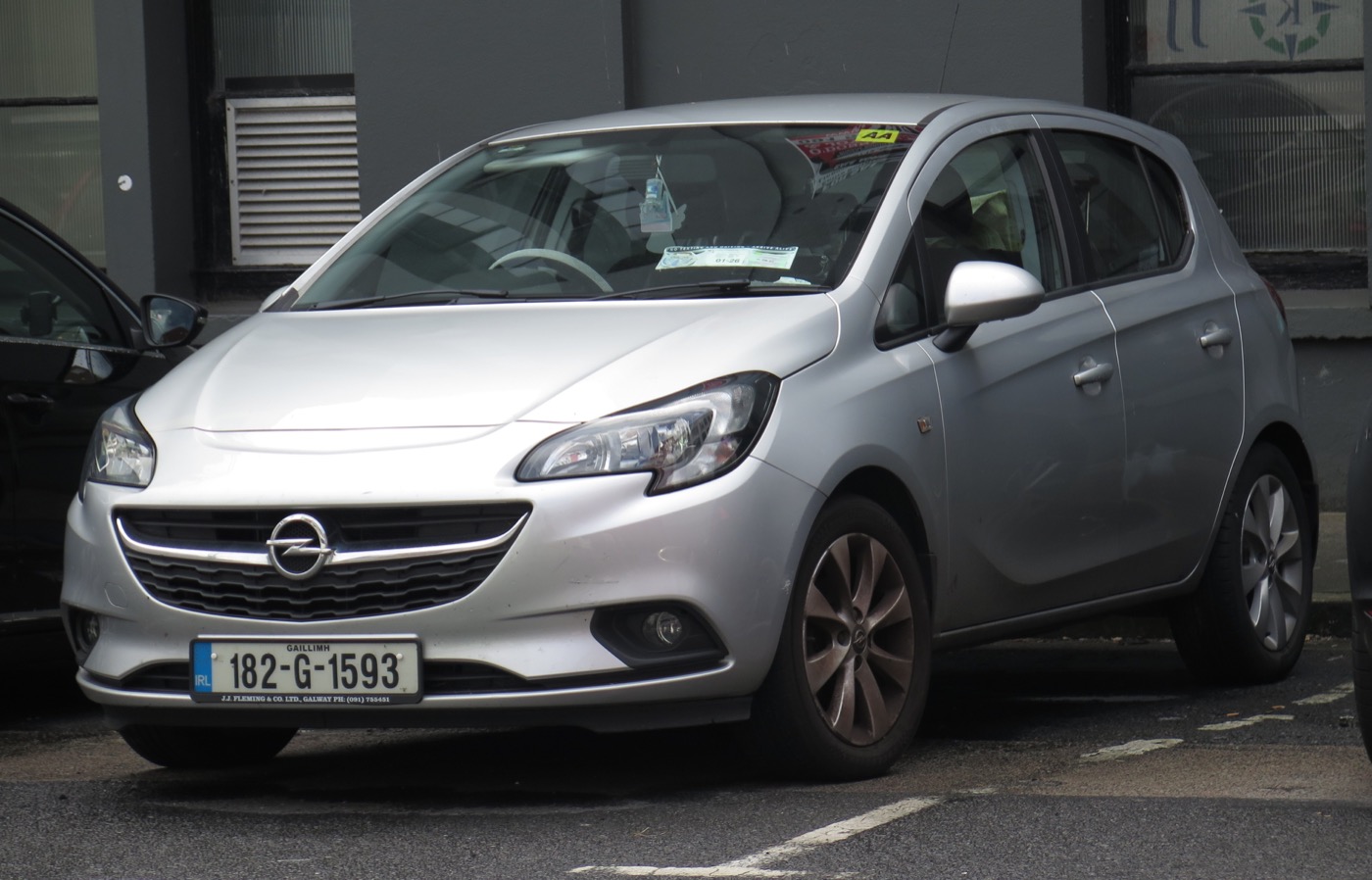
Corsa E (2014 to 2019) was the last Corsa developed under General Motors ownership. It grew again in size and borrowed technology from the Vauxhall Adam city car, including the IntelliLink infotainment system. The Corsa E feels noticeably more refined than the D on the road, with better sound insulation and a more comfortable ride. Engine choices carried over largely unchanged, with the 1.0 three-cylinder turbo (shared with the Adam) being the most modern option. A Corsa E VXR continued with an uprated version of the 1.6 turbo. Prices for used Corsa E models typically start around £4,000 and rise to £8,000 for low-mileage examples. The electrical issues that affected earlier generations persist to some degree, and the Easytronic automated manual gearbox (available on some models) carries the same poor reputation it earned on the Corsa D.
Corsa F (2019 onwards) is a fundamentally different car from its predecessors. Built on the PSA (now Stellantis) CMP platform shared with the Peugeot 208 and Citroen C3, the Corsa F has no connection to the GM-era cars. Engine options include a 1.2 PureTech three-cylinder turbo petrol (75bhp, 100bhp and 130bhp versions) and a fully electric Corsa-e with a 50kWh battery and around 200 miles of range. Early reliability data from surveys has recorded an 11% fault rate in the first few years, which is a notable improvement over previous generations. Used prices start from around £10,000, making it the most expensive Corsa generation on the secondhand market. The shift to the PSA platform means the known GM-era issues (M32 gearbox, Twinport camshaft, GM electrical architecture) do not apply, though it is too early to say definitively what long-term issues may emerge.
Vauxhall as a brand ranks 29th to 30th out of 32 manufacturers in major UK reliability surveys, which is a figure worth keeping in mind regardless of which Corsa generation you are considering. That ranking does not mean every Corsa will have problems, but it does mean the odds of encountering faults are statistically higher than with some competitors. A thorough pre-purchase check is not optional with this car.
Electrical gremlins are the most frequently reported category of Corsa fault across every generation. Symptoms range from intermittent dashboard warning lights and non-functioning central locking to complete ECU failure. The body control module (BCM) is a known weak point, and water ingress into the fusebox area may accelerate corrosion of electrical connections. On the Corsa C, the fusebox is located beneath the dashboard on the passenger side, and water can track down the windscreen seal and into this area without any visible external signs.
On Corsa D and E models, owners have reported random stalling, power steering failure warnings and instrument cluster malfunctions. These may be traced back to wiring loom issues or a failing ECU rather than the component the warning light suggests. The electric power steering system on the Corsa D is particularly notable: the warning light may illuminate and the steering may become heavy without warning, which presents a safety concern. The fault is often in the wiring column connector rather than the power steering motor itself, but diagnosing the root cause can involve several hours of workshop time.
ECU replacement costs vary depending on the generation and whether a new or refurbished unit is used. A refurbished ECU may cost £200 to £400 fitted, while a new dealer-supplied unit can reach £600 to £800. The BCM requires programming to the specific vehicle, which adds to the cost if a non-Vauxhall specialist is carrying out the work. Given that many Corsas on the market are worth £2,000 to £4,000, a major electrical repair can represent a significant proportion of the car's value.
Turn on every electrical system during the test drive: lights, heated rear screen, blower, windows, central locking. Watch for flickering dashboard lights or warning symbols that appear and disappear. Check the carpet under the glovebox and fusebox area for signs of dampness. Ask if the ECU or BCM has been replaced.
The M32 six-speed manual gearbox fitted to many Corsa D models is known for bearing wear, particularly on the sixth gear bearing. Early symptoms include a whining noise that changes pitch with road speed and may be more noticeable at motorway speeds. Left unaddressed, the bearings can deteriorate further and the gearbox may eventually lose sixth gear entirely. The M32 is the same gearbox used across several GM and Vauxhall models including the Astra, Zafira and Meriva, and bearing failure has been widely documented across all of them.
The root cause is understood to be inadequate bearing specification for the loads involved. Some owners have reported the issue appearing as early as 40,000 to 60,000 miles, though it may occur at any point. A specialist gearbox rebuild, where the worn bearings are replaced with uprated components, typically costs £800 to £1,200 and is generally considered a better option than fitting another standard M32 unit, which may develop the same fault again. A complete replacement gearbox from a breaker can cost £400 to £600 for the unit alone, plus fitting, but carries the risk of the same issue recurring.
It is worth noting that the five-speed manual gearbox fitted to lower-powered Corsa D models (the 1.0 and some 1.2 variants) does not suffer from the same bearing issue. If you are considering a Corsa D and want to avoid this problem entirely, choosing a model with the five-speed box removes this risk. However, the five-speed does lack an overdrive sixth gear, which means higher engine revs and slightly worse fuel economy at motorway speeds.
Drive the car at motorway speed in sixth gear and listen for a whining or droning noise. Engage and disengage sixth gear repeatedly to see if the noise changes. Check if the gearbox has had a bearing replacement or rebuild. A specialist gearbox rebuild typically costs less than a full replacement unit. Ask whether uprated bearings were used in any previous repair.
The 1.2-litre Twinport engine (Z12XEP) fitted to the Corsa C and early Corsa D has a documented issue where the camshaft sprocket bolt may work loose. If this bolt fails, it can cause the timing chain to jump or the camshaft to lose synchronisation, which may result in catastrophic engine damage including bent valves. This is not a gradual wear issue. The bolt can fail without warning, at any mileage, and the resulting damage often writes off the engine completely.
Vauxhall issued a technical service bulletin (TSB) advising dealers to check and replace the bolt with an updated part, but no formal recall was issued. This means the fix was only applied to cars that happened to visit a Vauxhall dealer for other work, or where the owner was aware of the issue. A large number of affected Corsas on the used market may never have had the bolt checked or replaced. The updated bolt and the labour to fit it cost relatively little (typically under £100), but the consequences of not fitting it can be an engine replacement costing £1,500 to £4,000.
The Twinport system itself (which closes one inlet port at low revs to improve fuel economy) can also cause rough running if the actuator solenoid sticks or fails. This is a separate issue from the camshaft bolt but affects the same engine. Symptoms include hesitation, poor idle and reduced fuel economy. The solenoid replacement is a relatively inexpensive fix at around £50 to £150, but it is often misdiagnosed as a more serious fault.
Ask if the camshaft bolt has been checked or replaced as per the Vauxhall service bulletin. Listen for unusual rattling or tapping from the top of the engine on cold start. If the car has a 1.2 Twinport engine and no record of the bolt being addressed, factor the cost of inspection and potential repair into your offer.
The front suspension top mounts on the Corsa D are a common MOT advisory and failure item. Worn top mounts produce a knocking or clunking noise over bumps and speed humps, and may cause vague steering feel. The rubber deteriorates with age and mileage, and the bearing within the mount can seize. This is one of the most frequently flagged items in MOT data for the Corsa D, appearing on a significant proportion of tests for cars over five years old.
The repair itself is relatively straightforward for any competent garage. Replacement top mounts cost £30 to £60 per side for the parts, and fitting takes around an hour per side. However, if the top mount has been worn for an extended period, it may have caused uneven tyre wear or additional strain on the shock absorbers, which could mean further expense. It is common to replace the top mounts, springs and shock absorbers together if the car is high-mileage, which pushes the total cost towards £300 to £400 per side.
On the Corsa E, the suspension setup is different and the top mount issue is less frequently reported, though it is not eliminated entirely. The Corsa F on the PSA platform uses a different front suspension design altogether, and early data does not flag top mounts as a concern. If you are viewing a Corsa D, listen carefully for any knocking from the front end and check the MOT history for recurring suspension advisories, as this can indicate a pattern of wear that a single repair may not permanently resolve.
Drive slowly over speed bumps and listen for knocking from the front suspension. Turn the steering wheel from lock to lock while stationary and feel for any catching or grinding through the wheel. Check the MOT history for suspension-related advisories, which may indicate recurring wear in this area.
Ignition coil pack failure is a frequent complaint on Corsa petrol engines across the C, D and E generations. A failing coil pack causes misfires, rough running, loss of power and an illuminated engine management light. The car may run on fewer cylinders, feeling sluggish and vibrating noticeably. On the 1.0 three-cylinder engine, losing one cylinder means losing a third of the engine's output, which makes the symptoms particularly obvious. Replacement coil packs are inexpensive (£20 to £50 each), and fitting is a straightforward job, but the issue can recur if the underlying cause is heat damage to the wiring or connector.
Separately, the Corsa D is also known for broken front coil springs, which snap near the bottom of the spring. This is a common MOT failure item and may cause a noticeable drop in ride height on one corner. Broken springs can damage tyres and affect handling. The issue is thought to be related to the spring material and design, combined with UK road conditions. Replacement springs cost £40 to £80 per pair, but the labour to fit them adds another £80 to £120. Many owners replace both sides at the same time, even if only one has broken, on the basis that both springs have the same age and fatigue.
It is worth checking the MOT history for spring-related failures, as a car that has broken one spring may break another in subsequent years. Similarly, if the MOT history shows repeated coil pack or misfire-related failures, this could indicate a wiring or connector issue that has not been properly resolved. Neither of these issues is a deal-breaker on its own, but they add to the overall maintenance burden and should be factored into your purchase decision and budget.
Check for engine management lights on the dashboard. During the test drive, accelerate firmly and feel for misfires or hesitation. Visually inspect the front coil springs through the wheel arches for cracks or breaks near the bottom coil. Check the MOT history for spring-related failures.
The Corsa is cheap to buy, cheap to insure and has an enormous parts supply chain. For a first car or a simple A-to-B runabout, it ticks a lot of boxes. The sheer volume sold means there is always another one available if you walk away from a bad example.
That said, Vauxhall's position near the bottom of multiple UK reliability surveys means a thorough inspection is worth the time. The Easytronic automated manual gearbox has a particularly poor reputation and is best avoided. Stick to standard manual petrol models where possible.
The newest Mk5 Corsa (2020 onwards) shows early signs of improvement, with some surveys recording an 11% fault rate in the first few years. Older Corsa D models remain the bulk of the used market and need careful checking of the electrical system, gearbox and suspension. Always check the full MOT history and look for patterns of recurring faults.
Get Car Wise is not just another vehicle check service. We maintain a database of known mechanical issues for every popular car on UK roads, tracking the actual faults that owners and specialists report.
When you run a Get Car Wise report on a specific Corsa, we cross-reference the exact variant, engine and age against our database of 44 known Corsa issues. Combined with full MOT history analysis, mileage verification and DVLA data, you get a complete picture before viewing.
Every report includes a personalised buying checklist tailored to that specific vehicle. It takes 30 seconds to run and the free report covers the essentials.
See current market data, average prices by variant, and get a free valuation for any Vauxhall Corsa.
Vauxhall Corsa Value Estimate →