Buying Guide / Mk2 - Mk4
Audi A3 Problems & Buying Guide
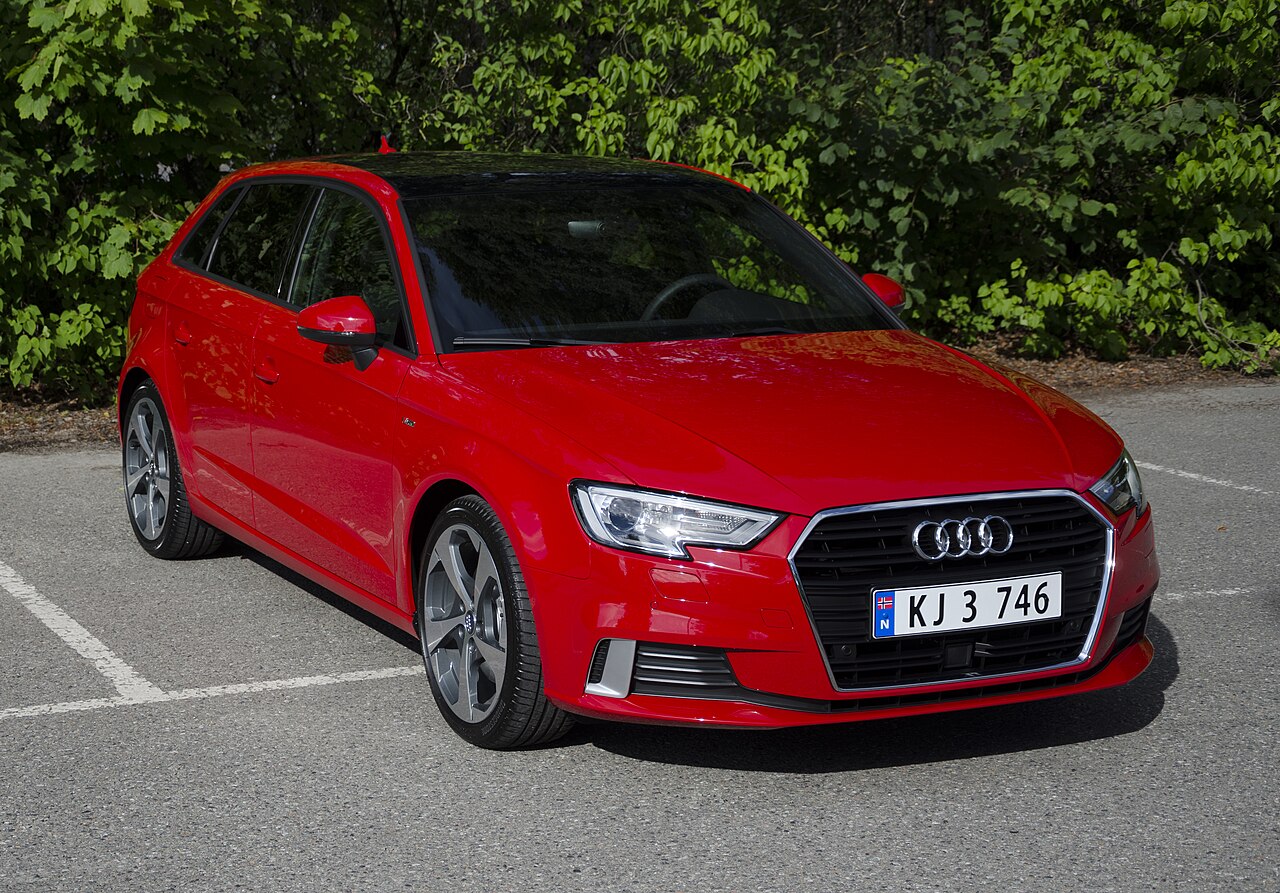
Premium quality on a VW Group platform. The A3 bridges the gap between mainstream and premium, with the S3 and RS3 delivering serious performance in a compact package.
Premium quality on a VW Group platform. The A3 bridges the gap between mainstream and premium, with the S3 and RS3 delivering serious performance in a compact package.
The Audi A3 offers a premium badge and interior quality built on VW Group underpinnings. Prices start from around £5,000 for older Mk2 models, but some engine and gearbox combinations may carry higher repair costs than you would expect.
We've compiled 19 known issues for the Audi A3 in our database. Here are the five that matter most, drawn from data by independent sources and owner communities across the UK.
Go deeper: Run a free Get Car Wise report on a specific A3 to see which issues apply to that exact car, plus full MOT history, mileage checks and a personalised buyer checklist.
See every franchised dealer visit, dates, mileage readings, and work done before you buy.
£6.99 · Full refund if no records found
The 2.0 TDI oil pump can fail without warning, starving the engine of lubrication. When this happens, the engine may suffer catastrophic internal damage within seconds. The oil pump drive mechanism, specifically the balance shaft module, is the weak point.
This issue has been reported across several VW Group models sharing the EA189 and EA288 diesel engines. Repair typically involves a full engine replacement or rebuild, as damage is often too severe for a simple pump swap.
Listen for unusual engine noises, particularly rattling from the bottom end. Check oil pressure warning light history. Ask whether the oil pump or balance shaft module has been replaced. A pre-purchase inspection by a VAG specialist is strongly recommended for any 2.0 TDI.
The DQ200 seven-speed dry-clutch DSG gearbox, used in lower-torque A3 models, has a documented history of mechatronic unit failures. Symptoms include jerky low-speed driving, hesitation when pulling away, and loss of gears entirely.
The wet-clutch DQ250 (used in higher-torque models including the S3) is generally considered more robust. Early DQ200 units from 2008-2013 may carry the highest risk. Audi revised the mechatronic unit software and hardware over the production run, but problems have continued to be reported on later models too.
Test drive in stop-start traffic and pay close attention to low-speed gear changes. Any juddering, hesitation, or clunking when pulling away may indicate mechatronic issues. Check whether the gearbox oil and mechatronic unit have been serviced or replaced. DSG fluid changes should happen every 40,000 miles.
Infotainment system faults account for approximately 15.8% of all reported A3 problems. The MMI system may freeze, reboot randomly, or fail entirely. Bluetooth connectivity, navigation and reversing camera integration are all affected.
On Mk3 and Mk4 models, the Virtual Cockpit digital instrument cluster may also develop issues including flickering, blackouts, or pixel failure. Replacement units are expensive, and software updates do not always resolve the underlying hardware fault.
Test every infotainment function during your viewing: navigation, Bluetooth pairing, reversing camera, and media playback. Check the Virtual Cockpit for any flickering or dead pixels. Ask whether any software updates or unit replacements have been carried out.
The 2.0 TDI engine uses a timing belt that requires replacement at intervals of approximately 4 years or 60,000 miles. The tensioner pulley is the weak point: if it fails, the belt can slip or snap, causing the pistons to contact the valves and destroy the engine internally.
This is a maintenance item rather than a design defect, but the consequences of missing the interval are severe. Some owners have reported tensioner failures before the recommended service interval.
Ask for documented proof of timing belt and tensioner replacement with dates and mileage. If the service history is incomplete or the belt is due, factor in the cost of immediate replacement. This is not something to defer on a 2.0 TDI.
A3 radiators have been reported to develop leaks, in some cases as early as 18 months into ownership. The plastic end tanks on the radiator may crack, particularly in colder weather, leading to coolant loss. Stone damage to the radiator core is also common due to the front grille design.
A slow coolant leak can go unnoticed until the engine overheats, which may then cause further damage including head gasket failure.
Check the coolant level and look underneath for signs of coolant drips or staining. Inspect the radiator through the front grille for visible stone damage or cracks at the plastic tank joints. A pressure test during a pre-purchase inspection can reveal slow leaks.
The A3 scores 88.5% in reliability surveys and ranks 15th out of 29 family cars. It offers a genuinely premium interior with strong badge value, and the S3 and RS3 variants deliver performance that may surprise buyers stepping up from mainstream hot hatches.
The post-2016 facelift Mk3 is generally considered the sweet spot for used buyers, balancing modern technology with a more proven mechanical package. Early DQ200 S-tronic gearboxes are worth approaching with caution. If you are considering a 2.0 TDI, budget for timing belt replacement if it has not been done recently.
59% of owners reported at least one fault within two years of ownership. The A3 shares many mechanical components with the VW Golf, so specialist VAG knowledge is widely available across the UK. As with any used car, a thorough independent inspection before purchase is recommended.
See current market data, average prices by variant, and get a free valuation for any Audi A3.
Audi A3 Value Estimate →