Buying Guide / 2008 - 2023
Fiat Abarth 500
Pure fun in a small package. The 1.4L turbo Abarth is one of the most entertaining cars you can buy, but the mechanical weak spots are worth knowing before you commit.
Pure fun in a small package. The 1.4L turbo Abarth is one of the most entertaining cars you can buy, but the mechanical weak spots are worth knowing before you commit.
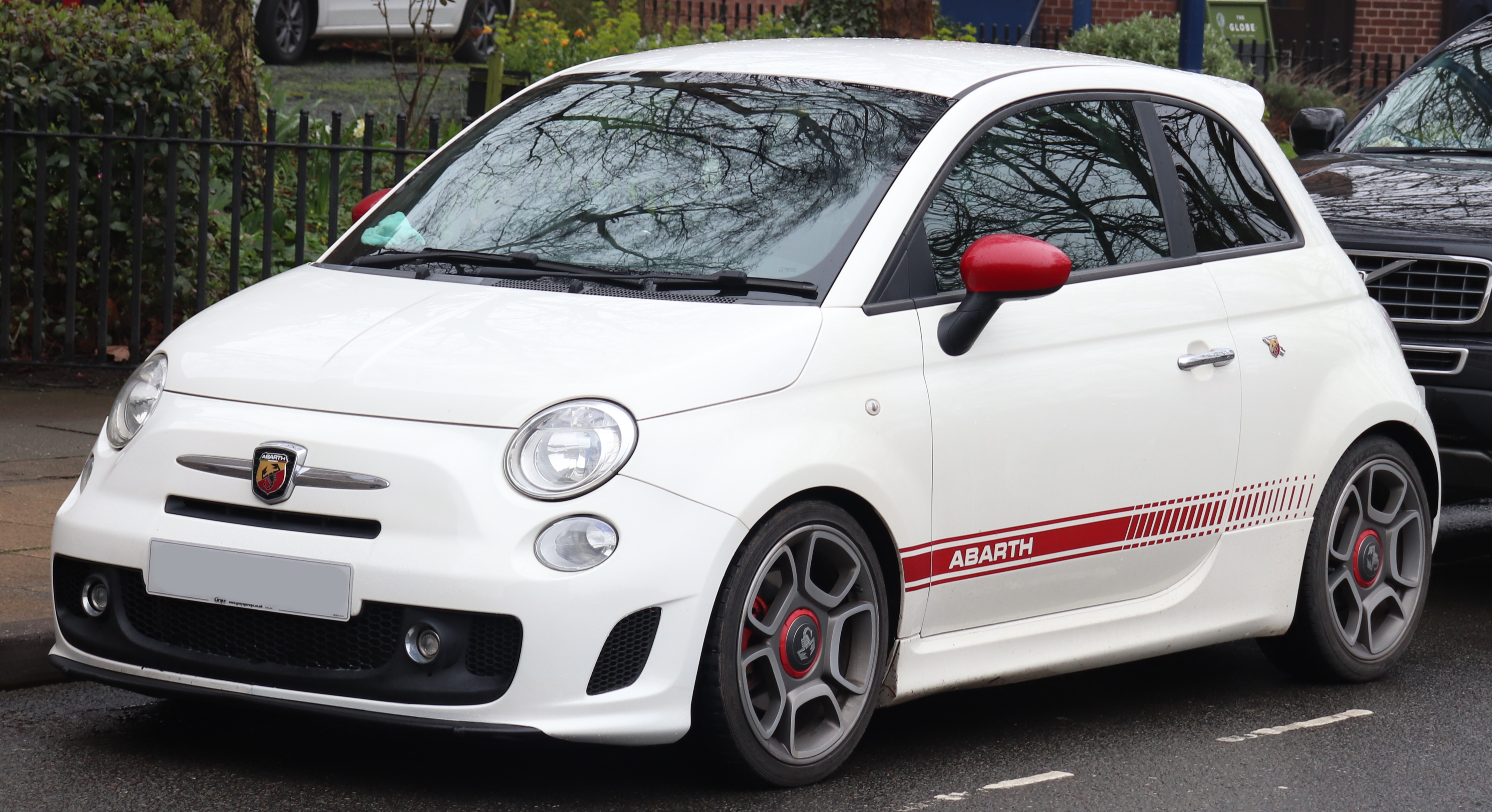
The Abarth 500 took the cute Fiat 500 and turned it into a pocket rocket. With a turbocharged 1.4-litre engine, theatrical exhaust note, and go-kart handling, it has been one of the most entertaining small cars on sale for over 15 years.
The range spans the base Abarth 500 (135 bhp), the 595 (145-165 bhp), and the range-topping 695 (180 bhp with features like a mechanical limited-slip differential). Here are the five problems that come up most often, drawn from specialist sources and owner communities.
Go deeper: Run a free Get Car Wise report on a specific Abarth 500 to see which issues may apply to that exact car, plus full MOT history, mileage checks and a personalised buyer checklist.
The boost solenoid valve is a known weak point on the 1.4 T-Jet engine. When it fails, the car may drop into limp mode, lose boost pressure entirely, or in some cases overboost. The wastegate actuator can also stick or fail, causing similar symptoms.
These issues tend to appear without much warning. A car that feels flat or hesitant under acceleration, or throws an engine management light under load, may well have a failing solenoid or sticking wastegate.
Test under full throttle for consistent boost delivery. Check for engine management lights. Listen for wastegate flutter or rattle at idle and on overrun. The solenoid itself is a relatively cheap part but labour can add up depending on access.
The clutch and dual-mass flywheel (DMF) can wear relatively quickly on the Abarth 500, especially on cars that have been launched hard or spent a lot of time in stop-start traffic. Juddering on take-off, rattling at idle, and slipping under load are all common symptoms.
Given the character of the car, many Abarths have been driven enthusiastically. This is not necessarily a problem, but it does mean the clutch and DMF may need attention sooner than on a standard 500.
Feel for judder on take-off from a standstill. Listen for DMF rattle at idle in neutral. Test for clutch slip in a high gear under load (e.g. 4th gear at low revs, full throttle). Budget for replacement on cars over 40,000 miles if there is no evidence it has already been done.
The 1.4 T-Jet engine can consume oil between services, particularly on harder-driven examples. Some level of oil consumption is considered normal on these engines, but excessive use may indicate worn valve stem seals or piston rings.
Rocker cover gasket leaks are also a common complaint. Oil residue around the top of the engine is often visible and, while not urgent, should be addressed to prevent oil reaching hot exhaust components.
Check oil level and condition on the dipstick. Look for oil residue around the rocker cover gasket. Ask the seller about oil consumption between services. Some top-up between services is normal on these engines, but needing a litre every 1,000 miles warrants further investigation.
Front anti-roll bar drop links and bushings wear quickly on UK roads. The Abarth's stiffer suspension setup, compared to the standard 500, accelerates wear on these components. The main symptom is knocking or clunking over bumps, particularly at low speed.
Anti-roll bar links are a common MOT advisory item on these cars. The parts are inexpensive, but the knocking can be persistent if not addressed.
Drive over speed bumps and listen for knocking from the front end. Check drop links and bushings for visible play or perished rubber. Anti-roll bar links are a frequent MOT advisory item, so check the MOT history for repeat mentions.
Built on the standard Fiat 500 platform, the Abarth inherits some of its electrical quirks. Dashboard warning lights that appear intermittently, ABS sensor failures, condensation in the rear light clusters, and central locking issues are all reported by owners.
None of these are typically serious on their own, but they can be frustrating and some (like ABS sensor failure) will cause an MOT failure if not resolved.
Check all warning lights clear after starting the engine. Test all electrics including windows, central locking, and all exterior lights. Inspect rear light clusters for condensation. An illuminated ABS light is a common MOT failure point on these cars.
The Abarth 500 is pure fun in a small package. It is not the fastest hot hatch, nor the most refined, but few cars deliver as much entertainment per pound. The theatrical exhaust, punchy turbo delivery, and go-kart handling make every drive an event.
The problems are well-known and mostly affordable to fix. A well-maintained Abarth 500 with a healthy clutch and evidence of regular servicing can be an entertaining and characterful daily driver. The 595 Competizione or 695 with LSD are the enthusiast picks for those who want the sharpest experience.
Budget for a clutch/DMF replacement if it has not been done, check the boost system carefully on your test drive, and do not be put off by the occasional electrical niggle. With the right car, you get genuine hot hatch thrills in a city-friendly size.
See current market data, average prices by variant, and get a free valuation for any Abarth 595.
Abarth 595 Value Estimate →Enter the registration for MOT history, mileage verification, known faults for that exact variant, and a Get Car Wise Score.
Check a vehicle nowCompiled from independent specialist sources, owner communities and forum data. We are not affiliated with any source listed.
Hero image: Wikimedia Commons