Buying Guide / 1992 - 1999
BMW E36 M3
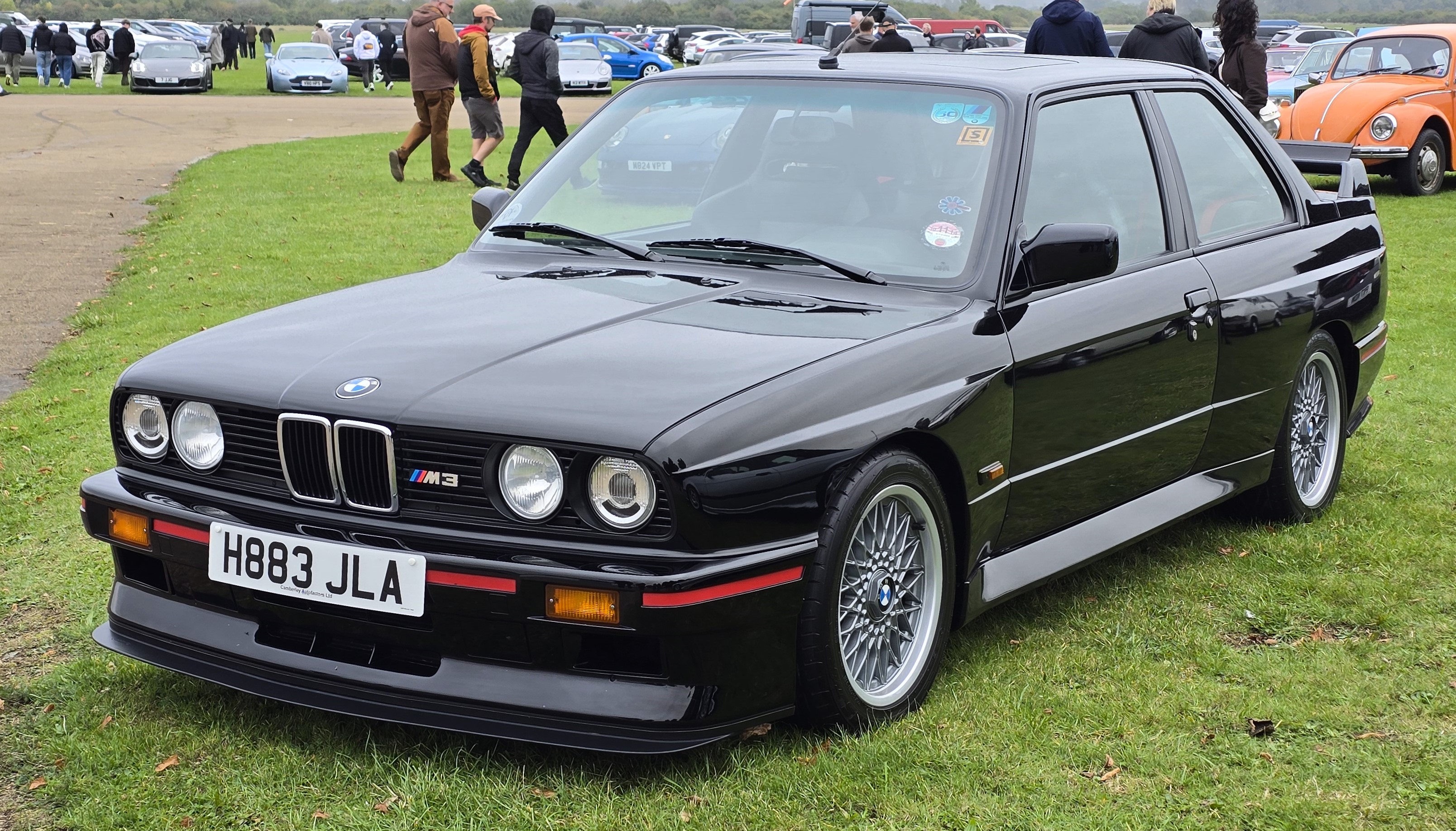
The car that defined the modern M3. Lighter and more raw than its successors, the E36 M3 is now a genuine modern classic with prices to match.
The car that defined the modern M3. Lighter and more raw than its successors, the E36 M3 is now a genuine modern classic with prices to match.
The E36 M3 came in two UK versions: the 3.0-litre S50B30 producing 286bhp (1993-1995) and the 3.2-litre S50B32 Evo producing 321bhp (1996-1999). Available as coupe, sedan and convertible, the Evo is significantly more desirable.
We've compiled 8 known issues for the E36 M3 in our database. Here are the five that matter most, drawn from specialist knowledge and owner communities across the UK.
Go deeper: Run a free Get Car Wise report on a specific E36 M3 to see which issues apply to that exact car, plus full MOT history, mileage checks and a personalised buyer checklist.
See every franchised dealer visit, dates, mileage readings, and work done before you buy.
£6.99 · Full refund if no records found
The E36 M3 uses a single VANOS unit (variable valve timing) that wears over time. Internal seals deteriorate and the unit develops excessive play. Symptoms include a rattle on startup, rough idle, and noticeable power loss in the lower rev range.
Rebuild kits are available from specialists and are a well-proven solution. A full VANOS replacement unit is also an option but costs more. This is not a catastrophic failure, but it progressively robs the engine of its character.
Listen for a rattle from the front of the engine on cold startup. Drive the car hard from low revs and check for flat spots or hesitation below 3,000rpm. Ask if the VANOS has been rebuilt or replaced, and when.
The rear subframe mounts to the body via four points that can crack the sheet metal floor pan around them. This is the same issue that affects the E46 M3 but is generally less severe on the lighter E36. Hard driving and lowered suspension accelerate the problem.
In advanced cases the subframe can visibly shift, causing handling changes and uneven tyre wear. Repair involves reinforcement plates welded to the floor pan. On badly affected cars, a full rear end rebuild is required.
This must be inspected from underneath on a ramp. Look for cracking or distortion around the four subframe mounting points. Check for uneven rear tyre wear. Any car that has been tracked or lowered is higher risk.
BMW used plastic for critical cooling components including the expansion tank, thermostat housing and water pump impeller. These become brittle with age and heat cycling. Failure is typically sudden and can lead to rapid overheating.
Overheating the S50 engine risks head gasket failure and warped cylinder heads. Aluminium upgrade parts are widely available and considered essential preventative maintenance on any E36 M3.
Inspect the expansion tank for discolouration and hairline cracks. Check coolant level and condition. Ask if the cooling system has been upgraded to aluminium components. If not, budget for a full cooling system refresh.
Unlike most modern engines, the S50 uses bucket-and-shim valve adjustment that requires periodic manual setting. BMW specified every 20,000-30,000 miles. Tight valves cause poor running and can lead to burnt valves. Loose valves cause excessive noise and reduced performance.
This is routine maintenance rather than a fault, but many E36 M3s have gone years without it. A car with no record of valve adjustments may have accumulated damage.
Check the service history for valve adjustment records. Listen for excessive ticking from the top of the engine when warm. If there is no record of adjustment, budget for it as an immediate job after purchase.
These are now 25+ year old cars and rust is the single biggest threat to the E36 M3. The rear wheel arches rot from inside out, the sills trap moisture and corrode structurally, and the battery tray in the boot is a notorious weak point due to acid damage.
Jacking points, front inner wings and the area around the rear window seal are also vulnerable. Rust kills E36 M3s. A structurally sound, rot-free shell is worth significantly more than a rusty car with a perfect engine.
Inspect rear arches from both inside and outside. Check sills by pressing firmly along their length. Lift the boot carpet and inspect the battery tray. Look behind the rear bumper and inside the front inner wings. Any bubbling paint is a warning sign.
The E36 M3 established the M3 template. Lighter and simpler than the E46, it is the more raw and involving car. The 3.2 Evo with 321bhp is the definitive version. The naturally aspirated inline-six, rear-wheel drive layout and relatively light kerb weight make it a genuinely engaging car to drive on any road.
These are now genuine modern classics and prices reflect it. A rot-free, well-documented E36 M3 Evo coupe is a fantastic driver's car and a strong investment. The key is condition: rust and neglect are far more expensive to fix than any mechanical issue on this car.
Prioritise body condition and documented service history above all else. A higher-mileage car with a complete history and solid structure is a better buy than a low-mileage car with gaps in the paperwork and bubbling arches.