Buying Guide / 1986 - 1992
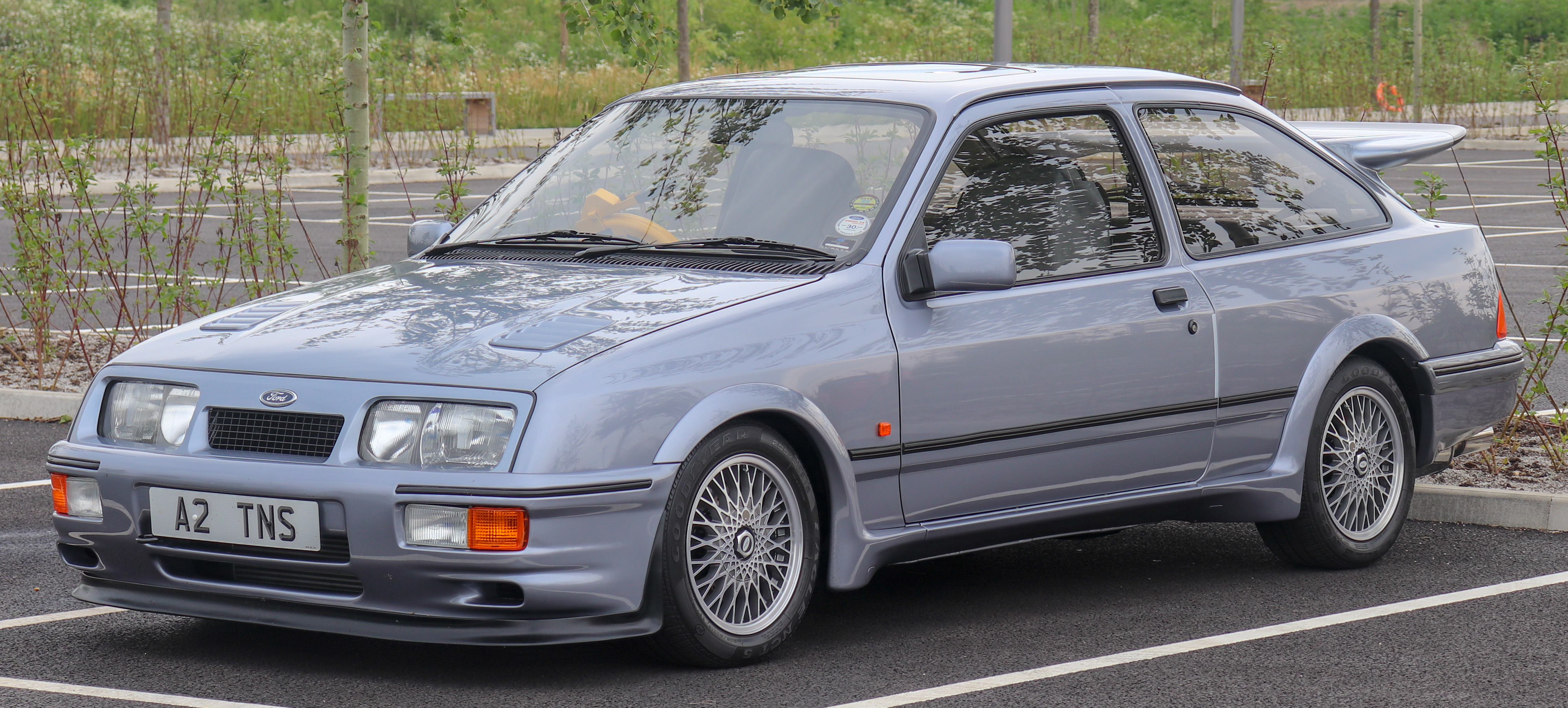
Ford Sierra RS Cosworth
The car that defined an era of fast Fords. Turbocharged YB power, whale tail drama, and rising values. But 35+ years on, every survivor needs careful scrutiny.
The car that defined an era of fast Fords. Turbocharged YB power, whale tail drama, and rising values. But 35+ years on, every survivor needs careful scrutiny.
The Sierra RS Cosworth is one of the most iconic fast Fords ever built. From the three-door with its unmistakable whale tail spoiler to the Sapphire saloon in both RWD and 4x4 form, these turbocharged machines are now serious collectibles with values to match.
At 35+ years old, finding a good Sierra Cosworth requires patience, expertise, and a thorough understanding of what can go wrong. Here are the five issues that matter most, drawn from Cosworth specialist sources and owner communities.
Go deeper: Run a free Get Car Wise report on a specific Sierra Cosworth to see MOT history, mileage checks, and a personalised buyer checklist for that exact car.
See every franchised dealer visit, dates, mileage readings, and work done before you buy.
£6.99 · Full refund if no records found
The YB engine family is known for head gasket failure, particularly when cooling systems have been neglected or boost levels increased. Overheating can be catastrophic for these engines, and many Sierra Cosworths have been modified over the years, adding further stress to the standard gasket.
The standard fix is an MLS (multi-layer steel) gasket upgrade. The head should be skimmed and pressure tested during the job, and studs rather than bolts are recommended for a more consistent clamping force.
Look for mayonnaise under the oil cap, unexplained coolant loss, and white smoke on restart after the engine has been sitting. A compression test before purchase is strongly recommended. Inspect the entire cooling system thoroughly, including hoses, the radiator, and the thermostat housing.
Standard cars run a Garrett T3/T04 turbo. After 35+ years, oil feed pipes can block with carbon deposits, starving the turbo of lubrication. Boost hoses perish and split, causing pressure leaks. The wastegate actuator can stick, leading to uncontrolled boost spikes or poor performance.
The RS500 has a unique T04 turbo setup with a larger compressor wheel. Many standard Sierra Cosworths have been modified with hybrid or upgraded turbos over the years, so establishing exactly what is fitted is important.
Blue or black smoke under boost indicates turbo seal failure. Listen for grinding or excessive whine from the turbo. Check all boost hoses for cracks, splits, and soft spots. Test the boost gauge for consistent readings across the rev range. Check oil feed and return lines for blockage.
At 35+ years old, rust is arguably the single biggest threat to any Sierra Cosworth. Critical areas include the sills (especially under the B-pillar), rear inner arches, front inner wings, boot floor, and windscreen surround. Rust in any of these areas can compromise structural integrity.
Many surviving cars have had extensive rust repair over the years. The quality of that work varies enormously. Poorly repaired cars can look presentable on the surface but may be structural disasters underneath. Body filler and fresh underseal can hide serious problems.
A full ramp inspection by a body specialist is essential before committing to any Sierra Cosworth. Check sills, inner arches, floor pans, chassis rails, and inner wings. Look for filler, fresh paint over localised areas, and evidence of poor repair work. Structural integrity should be the number one priority on any purchase.
The rear-wheel-drive Sierra Cosworth can suffer differential wear, particularly the limited-slip differential (LSD). Over time, the LSD wears and loses its locking effect, reducing traction out of corners and under hard acceleration. A worn diff may also produce a whining noise under load or clunking on direction changes.
An LSD rebuild or a replacement Quaife ATB (automatic torque biasing) differential is the standard fix. The Sapphire 4x4 has a different drivetrain setup and does not suffer from this specific issue.
Listen for whining from the rear under acceleration and deceleration. Test for clunking on tight turns at low speed. With the car jacked up, check for excessive play in the driveshaft and differential output flanges.
After 35+ years, the original wiring becomes brittle, with cracked insulation exposing bare copper. The engine management wiring is particularly critical. Intermittent running issues, poor starting, random warning lights, and dashboard faults are all common symptoms of wiring degradation. Ford electronics of this era were not designed to last this long.
Replacement engine looms are available from specialists such as Classic Retrofit. A full rewire of the engine bay can transform the running of a problematic Sierra Cosworth.
Test all electrics thoroughly, including lights, wipers, electric windows, and the fuel pump. Check engine bay wiring for cracked insulation, brittle connectors, and signs of bodged repairs. Intermittent faults and unexplained running issues may point to wiring loom problems rather than mechanical failure.
The Sierra RS Cosworth defined an era of fast Fords. The three-door with its whale tail spoiler is one of the most recognisable silhouettes in motoring history. The turbocharged YB engine delivers serious performance and has enormous tuning potential.
These are now valuable classics and finding a good one requires patience and expertise. Rust is the biggest threat, and many survivors have had extensive repair work of varying quality. A structurally sound Sierra Cosworth with documented history and a well-maintained engine is a piece of motorsport heritage.
Have any car inspected by a Cosworth specialist before committing. The RS500 commands six-figure prices for a reason, but even standard three-door and Sapphire models have appreciated significantly and continue to do so.