Buying Guide / 1996 - 2011
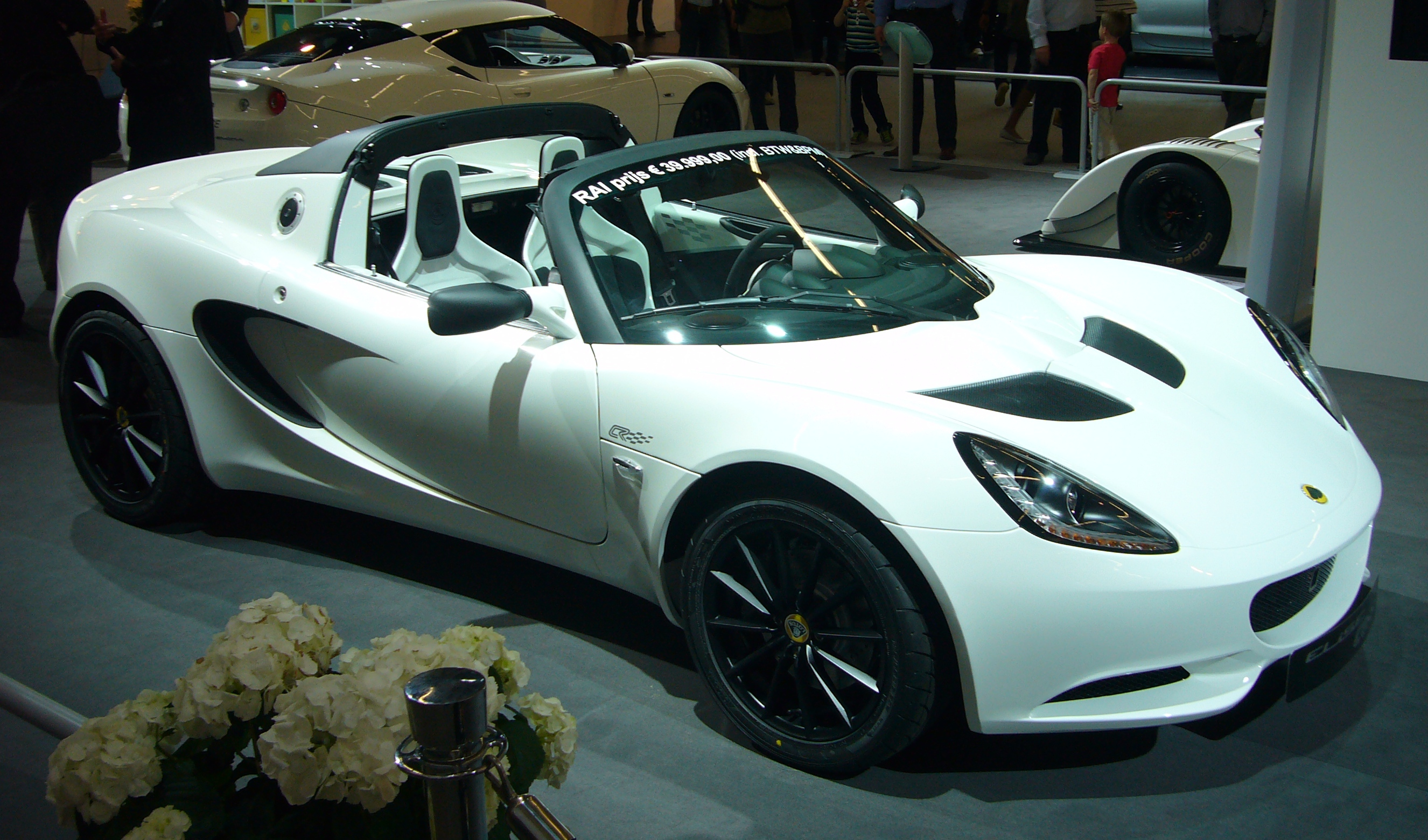
Lotus Elise S1/S2
Under 800kg, mid-engine, bonded aluminium chassis. The closest thing to a racing car you can drive on the road. Nothing else delivers the same connection at any price.
Under 800kg, mid-engine, bonded aluminium chassis. The closest thing to a racing car you can drive on the road. Nothing else delivers the same connection at any price.
The S1 (1996-2000) used the Rover K-Series engine. The S2 (2001-2011) started with K-Series then switched to Toyota 1ZZ/2ZZ from 2004. The Toyota-engined cars are significantly more dependable.
We've compiled 7 known issues for the Lotus Elise in our database. Here are the five that matter most, drawn from specialist knowledge and owner communities across the UK.
Go deeper: Run a free Get Car Wise report on a specific Elise to see which issues apply to that exact car, plus full MOT history, mileage checks and a personalised buyer checklist.
See every franchised dealer visit, dates, mileage readings, and work done before you buy.
£6.99 · Full refund if no records found
The Rover K-Series engine is notorious for head gasket failure. The design uses a thin multi-layer steel gasket that can fail under sustained heat, allowing coolant and oil to mix. Overheating accelerates failure and can destroy the engine entirely.
The Toyota-engined cars (2004 onwards) avoid this issue completely. If you are buying a K-Series Elise, the head gasket status is the single most important thing to establish. An upgraded MLS gasket with new head bolts is the standard preventative fix.
Check for mayo (emulsified oil) on the oil filler cap. Look for coolant loss or overheating on a test drive. Check the coolant for oil contamination. Ask if an upgraded MLS head gasket has been fitted. If not, budget for it immediately.
The Elise uses a bonded aluminium chassis tub. While aluminium does not rust like steel, it can corrode. The most vulnerable areas are the rear suspension mounting points, the front subframe mounts, and anywhere where dissimilar metals meet, causing galvanic corrosion.
Road salt accelerates the problem. Cars that have been used year-round or stored in damp conditions are higher risk. Chassis damage can be extremely expensive to repair and in severe cases can make the car uneconomical to fix.
A thorough underside inspection on a ramp is essential. Look for white powdery corrosion on the aluminium, particularly around suspension mounts and bonded joints. Check for any signs of previous chassis repair. A Lotus specialist inspection is strongly recommended.
Rear wheel bearings wear faster than expected on the Elise due to the lightweight construction, mid-engine weight distribution, and the stress that cornering forces place on the rear bearings. This is an MOT advisory item that appears frequently on Elise histories.
Worn bearings produce a humming or droning noise that increases with speed, typically louder when turning in one direction. Left unchecked, a failed bearing can seize, which on a lightweight mid-engined car is extremely dangerous.
Listen for humming or droning from the rear on a motorway-speed test drive. Try gentle weaving to load each side and identify which bearing is noisy. Check the MOT history for previous wheel bearing advisories.
The Elise fabric roof leaks. This is a characteristic rather than a fault. The lightweight design means the roof is a simple fabric assembly that does not seal perfectly against the windscreen header rail and side channels. Water ingress around the seals is normal.
Replacement seals help, and aftermarket hardtops are available, but if you want a watertight cabin, the Elise is not the car for you. Most owners simply accept it as part of the experience.
Check for damp carpets and water stains on the interior panels. Inspect the roof seals for perishing and tears. This is not a dealbreaker but factor in replacement seals if needed.
Getting in and out of an Elise is an event. The wide sills, low roofline and narrow cockpit mean you need a specific technique to enter and exit the car without embarrassment. The cabin is tiny. Luggage space is minimal. There is no glovebox on the S1.
This is the trade-off for 800kg. Every kilogram saved from convenience went into handling. If you are over 6ft 2in or have mobility limitations, try before you buy. Some people simply cannot fit comfortably.
Spend time sitting in the car before committing. Practice getting in and out. Take a long test drive and assess whether the seat position works for you. Check headroom with the roof up. This is a car you need to physically fit before considering anything else.
The Elise is the closest thing to a racing car you can drive on the road. Nothing else at any price delivers the same connection between driver, car and road surface. The steering, the feedback through the chassis, the way it changes direction - it is in a class of its own.
The Toyota-engined S2 (2004 onwards) is the smart buy. All the chassis magic with none of the K-Series anxiety. The S1 is lighter and purer but the head gasket risk is real and must be factored into your budget and your expectations.
This is not a practical car. That is entirely the point. If you can live with the compromises, the Elise rewards like nothing else on four wheels.