The definitive lightweight French hot hatch. Under 1,100kg, up to 182bhp, and a chassis developed with genuine racing intent. But 20+ years on, there are critical checks every buyer must make.
The Clio 172 arrived in 2000 and redefined what a small French hot hatch could be. The 182 followed in 2004 with slightly more power and revised suspension. Cup versions delete the air conditioning and use a non-ABS setup for weight savings. The Trophy is the ultimate 182, fitted with Sachs dampers and Speedline wheels from the factory.
We've compiled 12 known issues for the Clio 172 and 182 in our database. Here are the five that matter most, drawn from specialist knowledge and owner communities across the UK.
Go deeper: Run a free Carwise report on a specific Clio 172/182 to see which issues apply to that exact car, plus full MOT history, mileage checks and a personalised buyer checklist.
This is the single most important check on any F4R-engined Clio. The timing belt is an interference engine component, meaning if it snaps, the pistons hit the valves and the engine is destroyed. There is no saving it.
The dephaser pulley is a variable valve timing component that sits on the inlet camshaft. It causes a distinctive tractor-like rattle on cold start when it begins to fail. Replacing the belt without replacing the dephaser is false economy, as the dephaser can fail and take the belt with it.
Demand documented proof of timing belt AND dephaser pulley replacement with dates and mileage. If the history is unclear, budget for immediate replacement. Listen for a rattling noise on cold start, which indicates dephaser wear. Walk away from any car with no belt history.
Coil pack failure is extremely common on the F4R engine. When a coil pack fails, the affected cylinder stops firing, causing misfires, rough running and a noticeable loss of power. The car will run on three cylinders, which is unmistakable.
Some cars go through multiple coil packs. The aftermarket options are generally considered more durable than the original Renault parts.
Start the engine and listen for rough running or misfires. Rev the engine through the range and feel for hesitation. A misfire under load is the classic symptom. Check if the current coil pack is OEM or aftermarket, and when it was last replaced.
The camshaft top dead centre sensor tells the ECU where the engine is in its cycle. When it fails, the engine will crank but refuse to start, or it may cause intermittent stalling while driving. The failure can be sudden and without warning.
The part itself is inexpensive and the replacement is straightforward. The real issue is being stranded when it fails unexpectedly.
Ask about any history of non-starting or intermittent stalling. If the car has been stood for a while, a failed TDC sensor is one of the first things to check. Many experienced owners carry a spare in the glovebox.
Oil leaks from the camshaft and crankshaft seals are common on the F4R engine, particularly on higher-mileage cars. The leaks themselves are not catastrophic, but they indicate the general maintenance level of the car and can worsen over time.
Oil dripping onto the timing belt is a serious concern, as it can cause premature belt degradation and increase the risk of failure.
Inspect around the top and bottom of the engine for oil residue. Look underneath for fresh drips. Check the timing belt area for any signs of oil contamination. A dry engine suggests good maintenance; a wet one suggests deferred work.
The throttle body and idle control valve can cause stalling at junctions, erratic idle speed and poor throttle response. The throttle body can be cleaned and recalibrated, but a worn idle control valve needs replacing.
Symptoms often worsen in cold or damp weather. A car that stalls when coming to a stop or hunts at idle is showing classic throttle body issues.
Let the car idle from cold and watch the rev counter. It should settle to a steady idle without hunting or dipping. Drive the car and check for hesitation on initial throttle application. Stalling when pulling up to junctions is a telltale sign.
The Clio 172/182 is the definitive lightweight French hot hatch. Under 1,100kg with up to 182bhp, no traction control, and a chassis that Renault Sport developed with genuine racing intent. The Cup versions are the purest expression of that philosophy: no frills, no compromise. The Trophy is the collector's choice with factory Sachs dampers and Speedline wheels.
These cars are rising in value because nothing else delivers this level of driver involvement at the price. The F4R engine is strong when properly maintained. The timing belt and dephaser are non-negotiable checks. Walk away from any car without documented belt history.
At 20+ years old, rust is a real concern, and many cars have been modified or used hard on track. A standard, well-maintained example with full belt history is the smart buy. Get underneath it, check the arches, and inspect the sills before anything else.
Enter the registration for MOT history, mileage verification, known faults for that exact variant, and a Carwise Score.
Check a vehicle nowCompiled from independent expert sources, specialist workshops and our database of 12 known Clio 172/182 issues. We are not affiliated with any source listed.
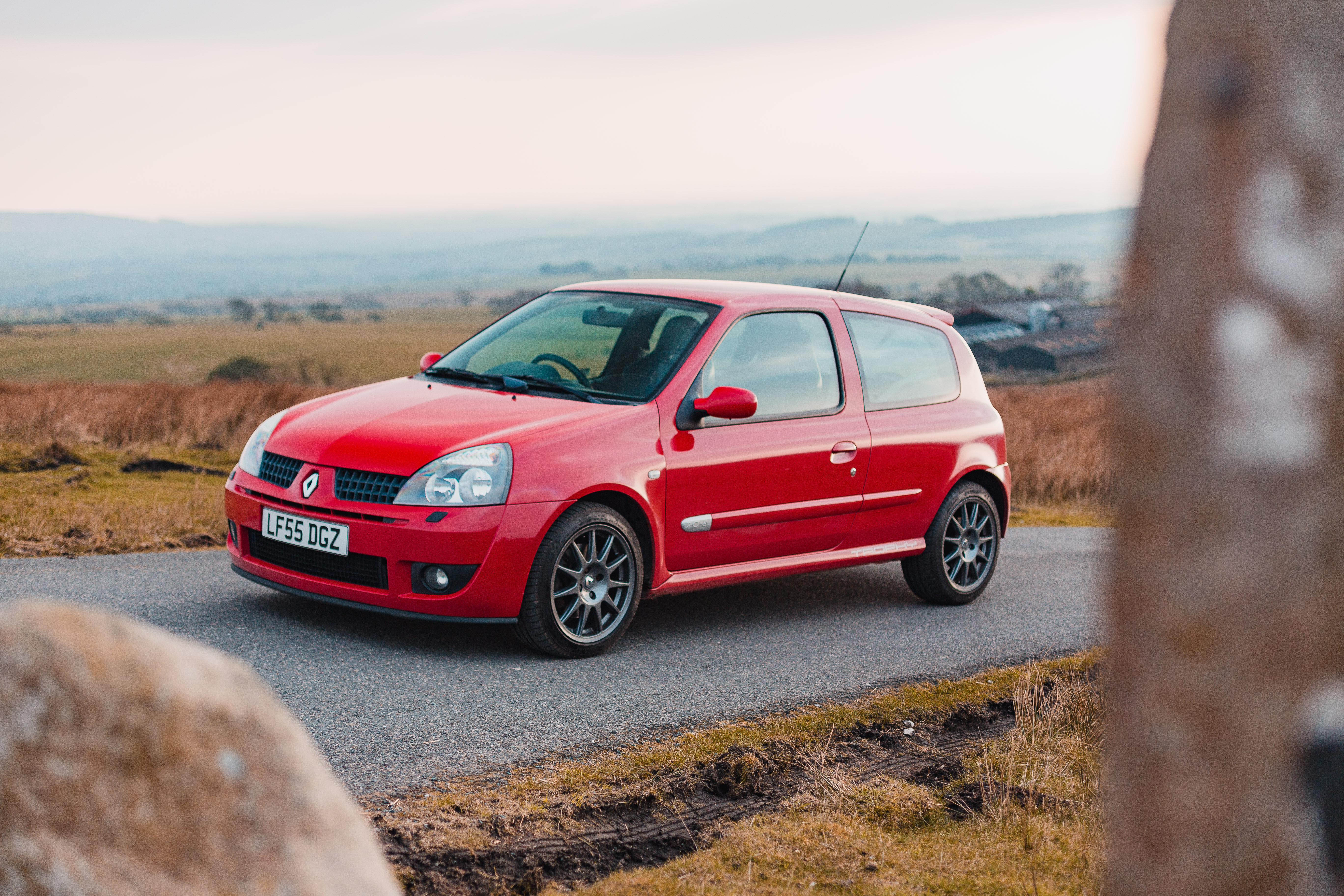
Hero image: Renault Sport Clio 182 Trophy