Buying Guide / 1998 - 2004
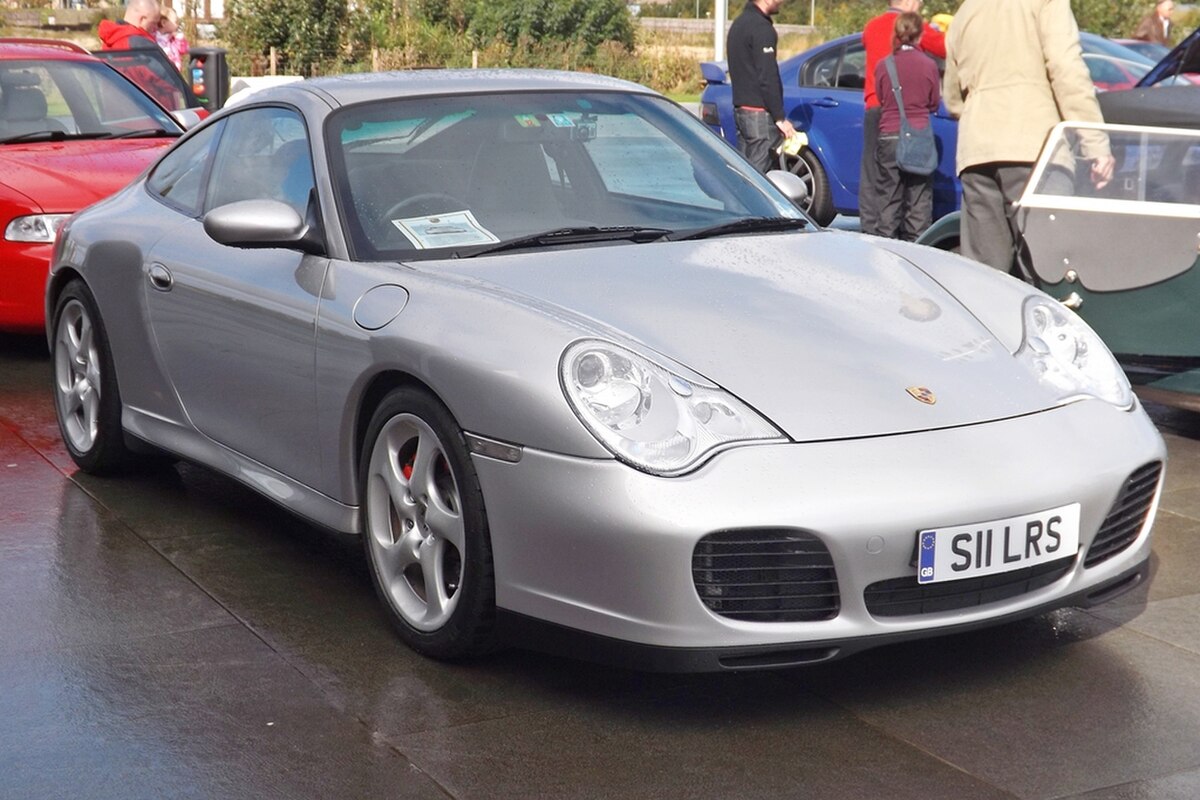
Porsche 996 911
The bargain 911. Genuine rear-engine performance at accessible prices, but the M96 engine carries well-documented risks. The Turbo and GT3 sidestep them entirely.
The bargain 911. Genuine rear-engine performance at accessible prices, but the M96 engine carries well-documented risks. The Turbo and GT3 sidestep them entirely.
The 996 is the most affordable way into 911 ownership. Overlooked for its "fried egg" headlights and shared Boxster engine, it offers genuine 911 handling and performance for a fraction of 997 prices. But the M96 engine carries risks every buyer must understand.
We've compiled 35 known issues for the 996 911 in our database. Here are the five that matter most, drawn from data by Porsche specialists and owner communities across the UK.
Go deeper: Run a free Get Car Wise report on a specific 996 to see which issues apply to that exact car, plus full MOT history, mileage checks and a personalised buyer checklist.
See every franchised dealer visit, dates, mileage readings, and work done before you buy.
£6.99 · Full refund if no records found
The same Intermediate Shaft bearing issue found in the Boxster. The bearing supports the shaft that drives the camshafts, and when it fails, metal debris destroys the engine internally with no warning. The 2000-2004 single-row bearing has an estimated failure rate of 8-10%.
Critically, the Turbo and GT3 use the Mezger engine, which does NOT have this issue. If IMS risk is a dealbreaker, these variants are the safe choice, though they cost significantly more.
Ask for proof of IMS bearing upgrade. If buying a Carrera without an upgrade, budget for replacement. The LN Engineering retrofit is the gold standard. Turbo and GT3 buyers can disregard this issue entirely.
Cylinder liner scoring from poor lubrication. The same issue as the Boxster but more expensive to fix due to the higher-spec engine. The cylinder walls develop vertical scratches that worsen over time, leading to compression loss and eventual engine failure.
Symptoms are identical to the Boxster: rising oil consumption, a rhythmic ticking noise, and black soot on the exhaust tips. The Mezger engine in the Turbo and GT3 does not suffer from this issue.
A borescope inspection before purchase is essential for any Carrera model. Check exhaust tips for black soot. Oil consumption above 1 litre per 1,000 miles is a red flag. Bore scoring leads to a full engine rebuild or replacement.
Oil leak between the engine and gearbox, caused by failure of the rear main seal. The same issue found on the 986 Boxster. The seal itself is cheap, but accessing it requires removing the transmission, making labour the real expense.
A small weep is common on older 996s. A steady drip or burning oil smell from the engine bay indicates the seal needs replacing sooner rather than later.
Inspect underneath at the engine-gearbox joint for oil residue. Check for fresh drips after the car has been sitting. Combine with clutch replacement to save on labour costs, as the transmission needs to come out for both jobs.
Rear tyres on 996s, particularly with staggered setups, can suffer sidewall delamination at speed. A chunk of rubber separates from the tyre, often without warning. This is linked to tyre age, under-inflation, and the weight distribution of the rear-engine layout placing heavy loads on the rear tyres.
This is a safety issue rather than just a maintenance concern. Old tyres on a rear-engine car at motorway speeds is a genuinely dangerous combination.
Inspect tyre age using the DOT codes on the sidewall (four-digit number showing week and year of manufacture). Never run tyres older than 5-6 years regardless of tread depth. Check for sidewall cracking, bulges or uneven wear. Budget for a full set of quality tyres if the current ones are aged.
The 996's distinctive "fried egg" headlights are prone to seal failure and internal condensation. Moisture inside the headlight housings can damage the reflectors and bulb connections over time. Replacement headlights are available but add up in cost.
Beyond the headlights, the 996 has a reputation for electrical niggles. Window regulators fail, central locking actuators stick, and instrument cluster pixel rows can drop out. None are catastrophic, but they add up on a neglected car.
Inspect headlights for moisture or fogging inside the lens. Test all four windows fully up and down. Check central locking from both the key fob and door switch. Look at the instrument cluster for dead pixel rows or flickering displays.
The 996 is the bargain 911. Overlooked because of the "fried egg" headlights and sharing its engine with the Boxster, it offers genuine 911 performance and handling for a fraction of 997 prices. Clean examples are now appreciating as modern classics.
The Turbo and GT3 use the bulletproof Mezger engine and avoid IMS and bore scoring entirely. They are the safe picks but cost significantly more. For Carrera models, a car with documented IMS upgrade and clean borescope is the way in.
Budget for specialist maintenance, never skip the pre-purchase borescope on Carrera models, and always check tyre age. With the right car, you get genuine 911 ownership at a price that still undercuts the 997 by a wide margin.
See current market data, average prices by variant, and get a free valuation for any Porsche 911.
Porsche 911 Value Estimate →