Buying Guide / 2015 - 2017
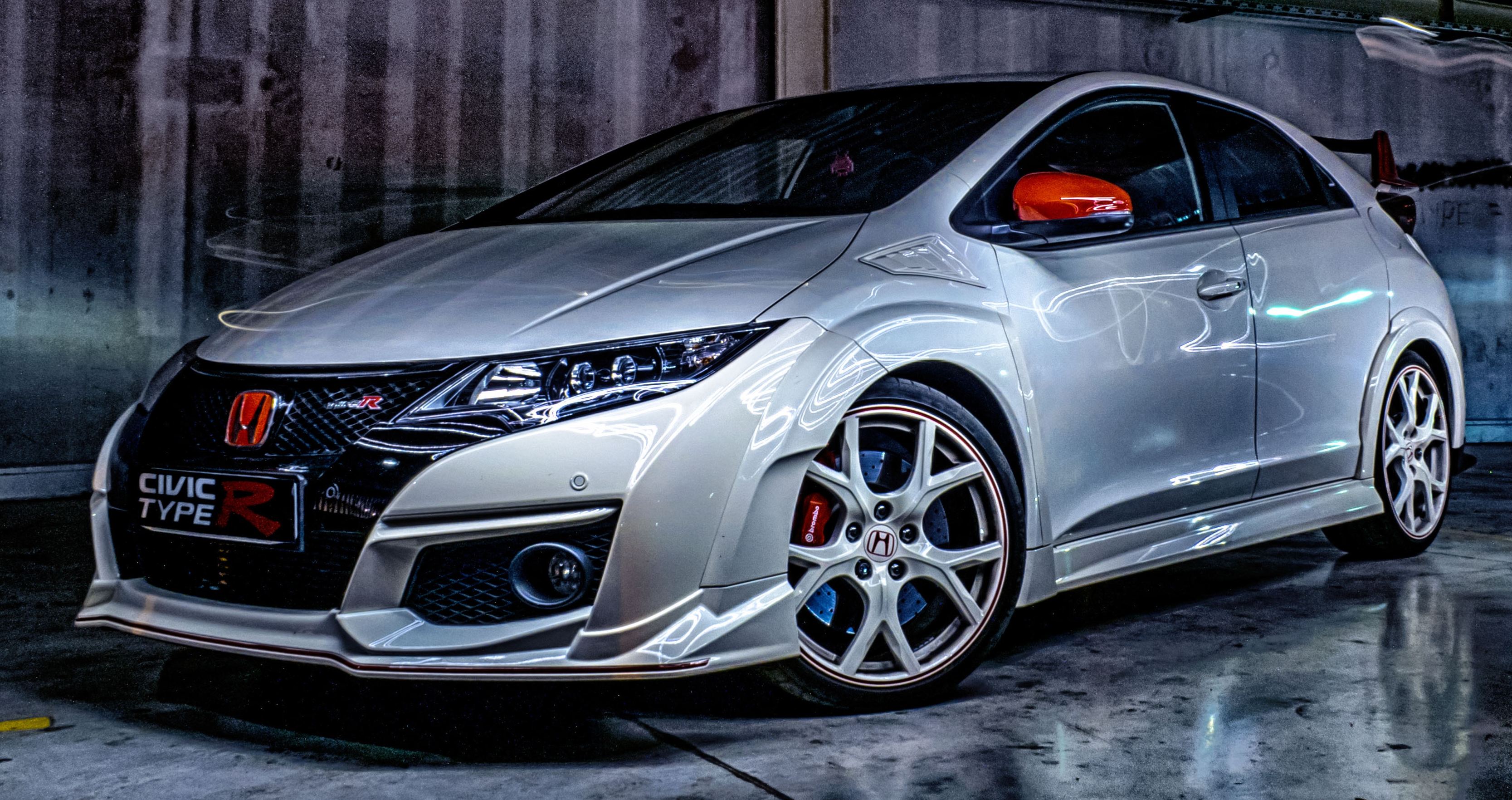
Honda Civic Type R FK2
The first turbocharged Type R. 306bhp through the front wheels with no torque steer. Built at Swindon, UK, in limited numbers.
The first turbocharged Type R. 306bhp through the front wheels with no torque steer. Built at Swindon, UK, in limited numbers.
The FK2 proved that turbocharging could work in a Type R. Honda took the K20C1 engine, added a turbocharger, and delivered 306bhp through the front wheels with a helical limited-slip differential and adaptive dampers.
Built at Honda's Swindon plant in the UK, only around 2,500 FK2s were sold here. That scarcity, combined with being the first turbo Type R, means values are strong and rising. Here are the five things every FK2 buyer should know.
Go deeper: Run a free Get Car Wise report on a specific FK2 to see which issues apply to that exact car, plus full MOT history, mileage checks and a personalised buyer checklist.
See every franchised dealer visit, dates, mileage readings, and work done before you buy.
£6.99 · Full refund if no records found
The FK2's standard intercooler can struggle to keep intake temperatures down during sustained hard driving. After several laps on track, the intercooler efficiency drops and the ECU pulls timing to protect the engine, resulting in noticeable power loss.
For road use this is rarely an issue. On track, an aftermarket front-mount intercooler upgrade resolves it completely. Many owners report the power returns fully after a cool-down period.
Ask the seller about track use. If the car has been tracked regularly, check whether an intercooler upgrade has been fitted. Look for signs of hard use including brake dust buildup, worn brake discs and uneven tyre wear.
The FK2's helical limited-slip differential can produce clicking or rattling noises, particularly on full steering lock at low speed such as during parking manoeuvres. This is partly characteristic of helical LSDs, but excessive noise can indicate wear.
Some level of noise is normal for this type of differential. A pronounced clicking or grinding sound that worsens over time may require inspection and potentially a rebuild or replacement.
During the test drive, turn the steering to full lock in both directions at low speed and listen for clicking or grinding from the front. A gentle click is normal. A loud, rhythmic grind warrants further inspection by a Honda specialist.
The FK2's Honda Connect infotainment system can freeze, reboot mid-journey, or become unresponsive. This affects navigation, Bluetooth audio and the reversing camera. The issue is software-related and does not affect any driving systems.
Honda released software updates that improved stability, but some owners still report occasional issues. Aftermarket head unit replacements are a common solution for cars outside warranty.
Test the infotainment thoroughly during viewing. Check Bluetooth pairing, navigation, and the reversing camera. Ask whether the latest Honda software update has been applied. If the screen freezes during your visit, it may be a recurring problem.
The FK2's stock clutch is well-matched to the standard 306bhp output. However, the K20C1 responds extremely well to tuning, and a Stage 1 remap can push power to 350bhp or beyond. At these levels, the standard clutch can begin to slip under hard acceleration.
A slipping clutch on a tuned FK2 is a sign the car has been remapped without supporting modifications. An uprated clutch and lightweight flywheel are the standard fix.
Check the clutch bite point. If it engages very high in the pedal travel, the clutch may be worn. During the test drive, accelerate hard in third or fourth gear and watch the rev counter. If revs rise without matching acceleration, the clutch is slipping. Ask directly whether the car has been remapped.
The FK2's large rear wing significantly limits rearward visibility through the rear window. This is a design characteristic rather than a fault, but it is worth experiencing before committing to buy. The reversing camera helps when parking, but general rear visibility is noticeably restricted compared to a standard Civic.
Drive the car in traffic and assess whether the rear visibility is something you can live with daily. Check that the reversing camera is functioning correctly. Some owners add aftermarket blind spot mirrors to compensate.
The FK2 proved turbocharging could work in a Type R. 306bhp through the front wheels with no torque steer. The chassis is outstanding, with the helical LSD and adaptive dampers providing a level of mechanical grip that few front-wheel-drive cars can match.
Values are strong because only around 2,500 were sold in the UK. The Swindon-built FK2 is already a collector's item. The K20C1 engine is robust when maintained to Honda's service schedule, and the known issues are relatively minor compared to many performance cars in this price bracket.
A standard, unmodified FK2 with full Honda service history is the safest buy. If the car has been tuned, check the clutch carefully and verify that supporting modifications have been done properly.
See current market data, average prices by variant, and get a free valuation for any Honda Civic.
Honda Civic Value Estimate →