Buying Guide / 2009 - 2013
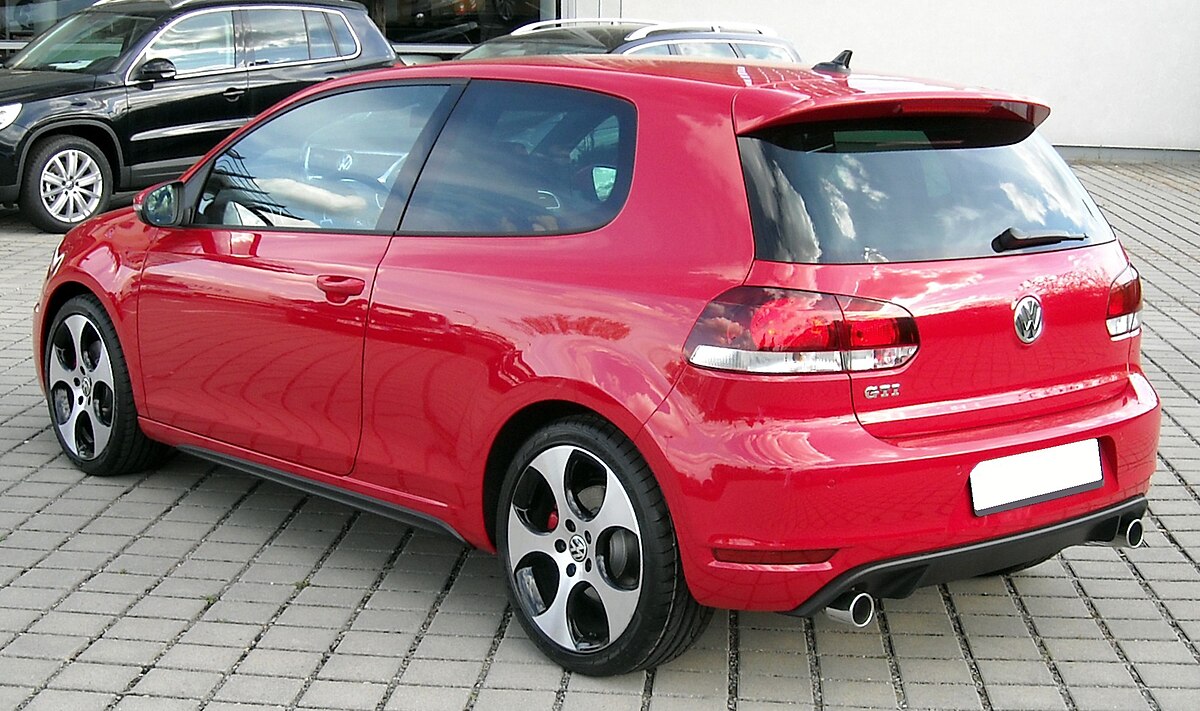
Volkswagen Golf GTI Mk6
A refined evolution of the Mk5. Better interior, more power, but the EA888 Gen 1 timing chain tensioner is a potential engine killer.
A refined evolution of the Mk5. Better interior, more power, but the EA888 Gen 1 timing chain tensioner is a potential engine killer.
The Mk6 GTI is a subtle evolution of the Mk5. Better interior quality, slightly more power, and a more refined driving experience. The switch to the EA888 Gen 1 engine brought more torque but also introduced the timing chain tensioner issue.
We've compiled 8 known issues for the Mk6 GTI in our database. The Edition 35 (235bhp) is the sought-after model. Here are the five that matter most.
Go deeper: Run a free Get Car Wise report on a specific Mk6 GTI to see which issues apply to that exact car, plus full MOT history, mileage checks and a personalised buyer checklist.
See every franchised dealer visit, dates, mileage readings, and work done before you buy.
£6.99 · Full refund if no records found
The early EA888 engine uses a timing chain tensioner that can fail, allowing the chain to jump timing. When this happens, the pistons hit the valves and the engine is destroyed. There is no economical repair once the chain has jumped.
The issue typically occurs between 50,000 and 100,000 miles. VW released a revised tensioner (identified by a different part number) that is more robust. Many cars will have had this replaced under warranty or by previous owners who were aware of the issue.
Start the car from cold and listen for a rattle or chattering noise from the engine for the first few seconds. This is the chain being slack before oil pressure builds. If you hear a rattle on cold start, walk away or budget £800+ for immediate replacement. Ask for proof of the revised tensioner being fitted.
Like the Mk5 before it, the Mk6 GTI uses a water pump with a plastic impeller that can crack or disintegrate. When the impeller fails, coolant circulation drops and the engine overheats. The water pump can also develop external leaks from the housing gasket.
Overheating a turbocharged engine can cause head gasket failure, warped cylinder heads, and accelerated wear. The water pump failure is often sudden, with no gradual warning signs.
Check the coolant level and look for any pink or green residue around the water pump area. During the test drive, monitor the temperature gauge. Ask if the water pump has been replaced. An aftermarket metal-impeller water pump is the preferred upgrade.
Direct injection engines do not wash the intake valves with fuel like port injection engines do. Over time, carbon deposits build up on the back of the intake valves, restricting airflow. This causes rough idle, hesitation on acceleration, reduced power, and sometimes misfires.
Carbon buildup is a characteristic of all direct injection engines, not just VW. The fix is walnut blasting, which involves blasting the valve faces with crushed walnut shells to remove the deposits. Most specialists recommend this every 40,000 to 60,000 miles.
A rough idle that smooths out once warm, hesitation during acceleration, and a slight loss of power are all signs of carbon buildup. Ask whether the car has had a walnut blast. If the car is above 60,000 miles and has never been cleaned, budget £300-600.
The PCV system manages crankcase pressure. When the valve or its internal diaphragm fails, it causes excessive oil consumption, rough idle, boost leaks, and a whistling sound from the engine bay. The issue is carried over from the Mk5 platform and is well-documented.
Listen for whistling or hissing at idle. Check oil level and ask the seller about oil consumption between services. If the engine is using more than 1 litre of oil per 5,000 miles, the PCV valve may be the cause.
The DSG (Direct Shift Gearbox) dual-clutch automatic uses a mechatronic unit to control gear selection. When it fails, the car may exhibit harsh or delayed shifts, shuddering at low speed, a refusal to engage certain gears, or a complete loss of drive.
Not all DSG boxes fail, and regular oil and filter changes every 40,000 miles significantly reduce the risk. However, a mechatronic replacement is expensive. Manual gearbox Mk6 GTIs do not have this issue.
On DSG models, test low-speed manoeuvring for shuddering or jerking. Drive through all gears and check for harsh shifts or hesitation. Ask for DSG service history, including oil and filter changes. If the car shudders in first gear or during parking, the mechatronic unit may be failing.
The Mk6 is a subtle evolution of the Mk5. Better interior, slightly more refined, and marginally more power from the new EA888 engine. The Edition 35 (235bhp) is the one to find, with its power upgrade, unique styling touches, and collector appeal.
The timing chain tensioner is the critical check. If it rattles on cold start, walk away or factor in £800+ for immediate repair. A Mk6 with the revised tensioner, documented service history, and evidence of carbon cleaning is a well-sorted example.
For DSG buyers, verify the gearbox service history. For manual buyers, the gearbox is robust and the car is arguably more engaging. At current prices from around £7,000, the Mk6 GTI offers strong performance and refinement that punches well above its price point.
See current market data, average prices by variant, and get a free valuation for any Volkswagen Golf.
Volkswagen Golf Value Estimate →