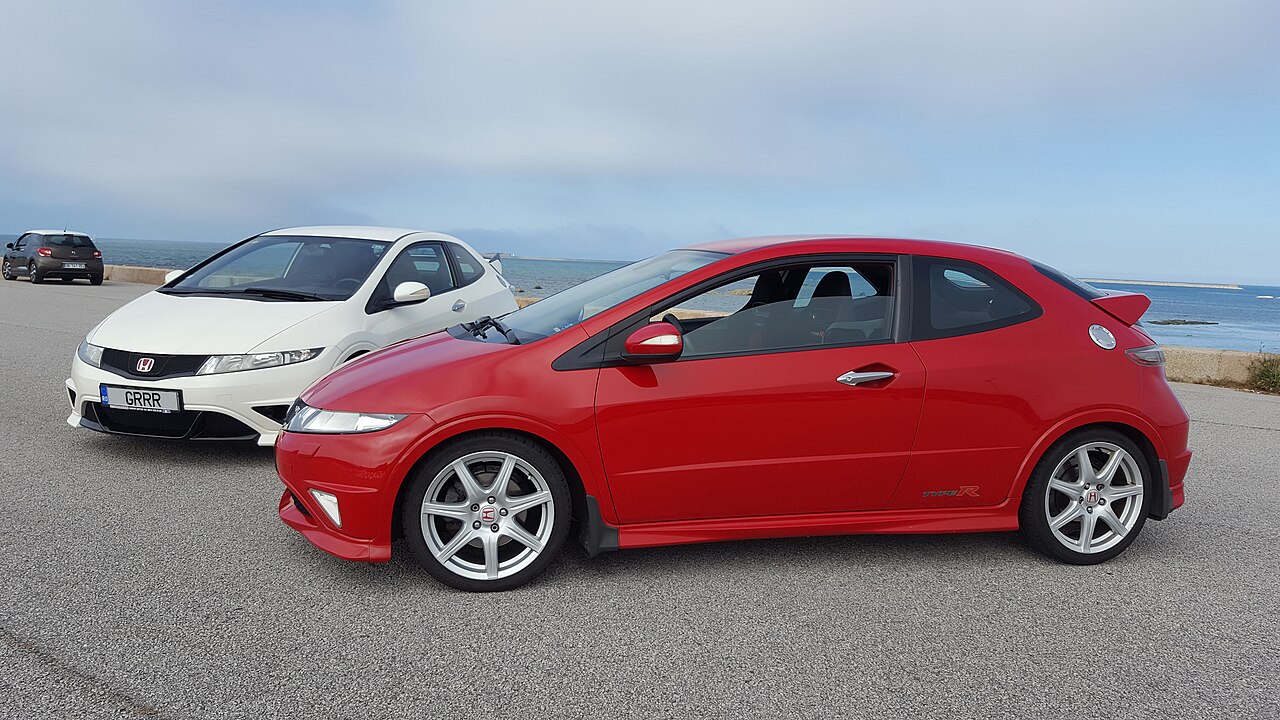
Buying Guide / 2007 - 2011
Honda Civic Type R FN2
The controversial Type R. Cheaper than every other generation, with the same magnificent K20 engine. The beam axle divided opinion, but the value proposition is hard to argue with.
The controversial Type R. Cheaper than every other generation, with the same magnificent K20 engine. The beam axle divided opinion, but the value proposition is hard to argue with.
The FN2 is the controversial Type R. It moved to a 3-door hatchback body, lost the close-ratio gearbox, and crucially switched to a rear beam axle instead of the EP3's double-wishbone rear. The K20Z4 makes slightly less power (198bhp vs 200bhp) and uses drive-by-wire throttle.
Many purists disliked it, but prices are now the cheapest of any Type R generation. We've compiled 6 known issues for the FN2 in our database. Here are the five that matter most.
Go deeper: Run a free Get Car Wise report on a specific FN2 to see which issues apply to that exact car, plus full MOT history, mileage checks and a personalised buyer checklist.
See every franchised dealer visit, dates, mileage readings, and work done before you buy.
£6.99 · Full refund if no records found
The switch from the EP3's independent rear suspension to a torsion beam axle divided opinion from day one. The FN2 can feel nervous and unsettled on bumpy roads, and it lifts an inside rear wheel easily under hard cornering.
This is not a fault per se, but a fundamental chassis characteristic. An aftermarket rear anti-roll bar or Whiteline rear beam kit transforms the car's behaviour significantly. Many FN2 owners consider a rear suspension upgrade essential rather than optional.
Test the car on a bumpy B-road at pace. If the rear feels unsettled or skittish, that is the beam axle's normal behaviour. Budget for aftermarket suspension upgrades (Whiteline rear beam kit, aftermarket anti-roll bar) if you want to exploit the chassis properly.
Similar to the EP3's synchro weakness but affects 3rd and 4th gears more commonly than 2nd. Heavy-handed shifting and track use accelerate the wear. The gearbox was not changed significantly between generations and shares this vulnerability.
A gearbox rebuild is the only lasting fix. Synchromesh wear is progressive, and it will get worse over time once it starts.
Test all gear changes from cold, paying particular attention to 3rd and 4th. Crunching or resistance going into either gear is the common finding. Also test downshifts under braking, as synchro wear is often more apparent on the way down through the box.
The dual-mass flywheel and clutch assembly can develop judder, particularly on cars that have spent a lot of time in heavy traffic or been driven with excessive clutch slip. The judder is felt as a vibration through the pedal and drivetrain during clutch engagement from standstill.
A clutch and flywheel replacement is the fix. Some owners fit a single-mass flywheel conversion, which is cheaper to replace long-term but results in more drivetrain noise.
Test clutch take-up from standstill repeatedly. Any vibration or shudder through the drivetrain as the clutch bites indicates judder. Check the bite point height as well, as a high bite point suggests significant clutch wear.
A knock or clunk from the steering rack is a common complaint on higher-mileage FN2s. It is typically felt through the steering wheel when driving over bumps or uneven surfaces. The cause is usually worn inner tie rod ends or rack mounting bushes.
It is not dangerous in most cases but it is an MOT advisory waiting to happen and can mask other front suspension issues if left unchecked.
Turn the steering wheel lock to lock while stationary and listen for clunking or play. Drive over speed bumps at low speed and feel for knocking through the steering column. Check MOT history for steering-related advisories.
The rear beam geometry causes uneven rear tyre wear, particularly on the inside edge. This is a design characteristic of the beam axle setup rather than a fault, and alignment adjustments can help but do not fully solve the problem.
Expect to replace rear tyres more frequently than fronts. This is a running cost to factor in rather than a fault to fix.
Inspect rear tyre inner edges for excessive or uneven wear. Run your hand across the tread surface and feel for feathering. Budget for more frequent rear tyre replacements than you would on a car with independent rear suspension.
The FN2 is the bargain Type R. It is the cheapest way into VTEC ownership and the K20 engine is still a masterpiece that rewards high-rpm driving. The beam axle controversy kept prices low, which makes it the smart buy for anyone who wants the engine experience without paying EP3 or FK2 money.
With suspension upgrades the handling transforms from nervous to playful. It is not the best Type R chassis Honda made, but it might be the best value in the entire hot hatch market right now.
The 3-door body looks aggressive and the interior is more modern than the EP3. Mechanically, the K20Z4 is tough and cheap to maintain. The synchro weakness and rear tyre wear are the main running cost concerns beyond standard servicing.
See current market data, average prices by variant, and get a free valuation for any Honda Civic.
Honda Civic Value Estimate →