Buying Guide / 1982 - 1994
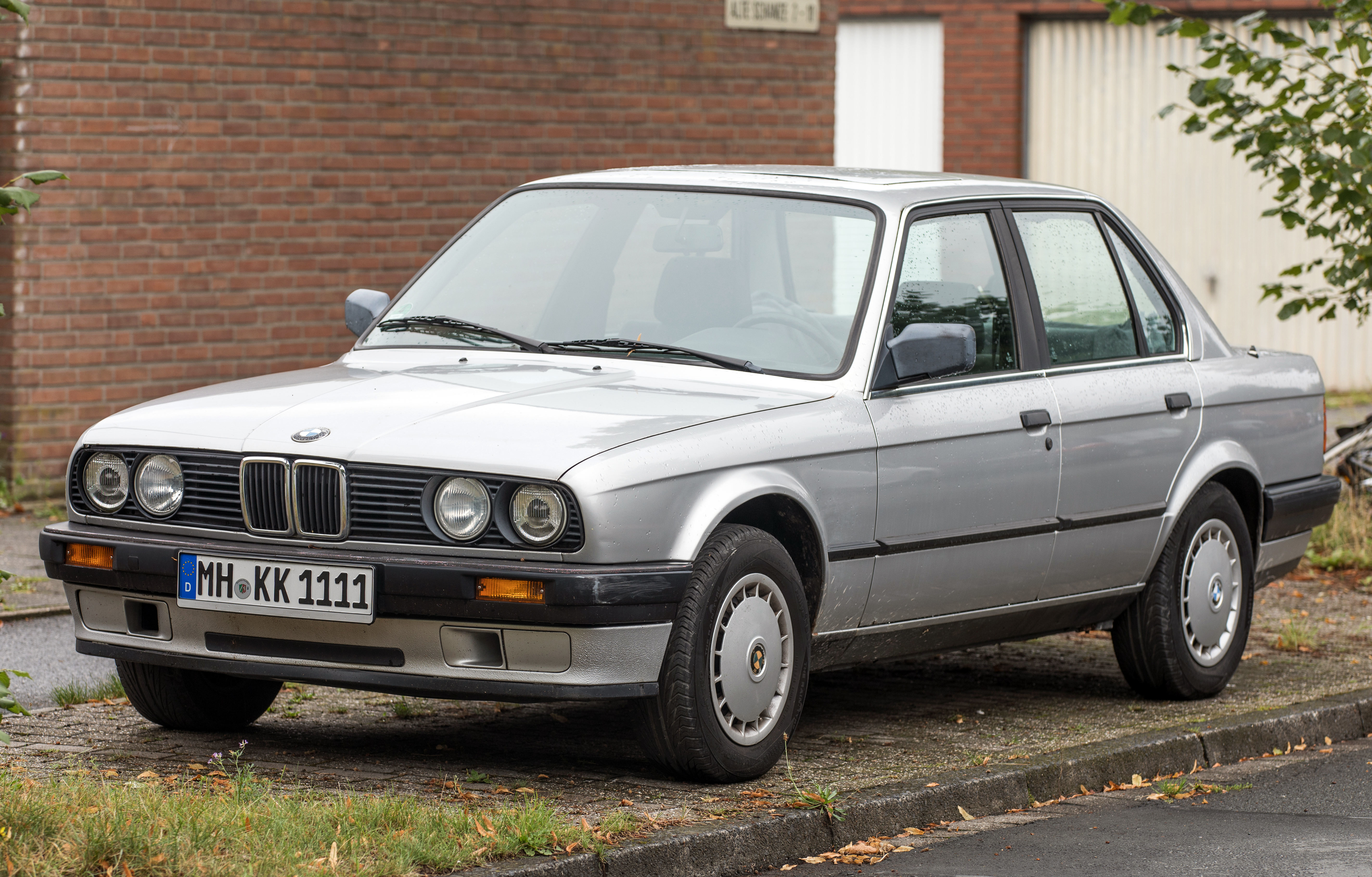
BMW E30 3 Series
The car that made BMW. Lightweight, perfectly balanced, and now appreciating fast. But rust is the enemy, and these cars are 30-40 years old.
The car that made BMW. Lightweight, perfectly balanced, and now appreciating fast. But rust is the enemy, and these cars are 30-40 years old.
The E30 is the car that made BMW. Available as 2-door, 4-door, Touring, and convertible, it established the template for every 3 Series that followed. The 325i and 325i Sport are the sweet spots. The M3 with its S14 engine is the holy grail, but clean examples now command £50,000 and above.
Even standard E30s are rising in value as the enthusiast community recognises what a perfect driver's car looks like without electronic assistance. We've compiled 7 known issues for the E30 in our database. Here are the five that matter most.
Go deeper: Run a free Get Car Wise report on a specific E30 to see which issues apply to that exact car, plus full MOT history, mileage checks and a personalised buyer checklist.
See every franchised dealer visit, dates, mileage readings, and work done before you buy.
£6.99 · Full refund if no records found
These are 30-40 year old cars, and rust is the single biggest threat to any E30. The critical areas are inner wings, jacking points, rear shock turrets, boot floor, and front valance. Rust kills E30s. A structurally solid car is worth multiples of a rusty one.
Surface rust is cosmetic and manageable. Structural rust in the shock turrets or jacking points means the car is potentially dangerous and will require extensive welding to save.
Get underneath the car on a ramp. Probe the jacking points, rear shock turrets, and inner wings with a screwdriver. Check the boot floor under the spare wheel. Lift the carpets inside to inspect the floor pans. If the car has had arch work, check the quality of previous repairs.
The M20 six-cylinder is an interference engine. If the timing belt snaps, the pistons hit the valves and the engine is destroyed internally. There is no warning before failure.
The belt should be replaced every 4 years or 60,000 miles, whichever comes first. On a car of this age, if there is no documented proof of recent belt replacement, assume it needs doing immediately.
Ask for documented proof of timing belt replacement with date and mileage. If the history is unknown, budget for immediate replacement. Replace the water pump, tensioner, and thermostat at the same time.
Original radiators, water pumps, and thermostats are 30+ years old and will fail. The radiator core corrodes internally, reducing cooling efficiency. The thermostat sticks open or closed. Hoses become brittle and crack without warning.
Overheating an M20 engine can warp the head and destroy the head gasket. Upgrading to an aluminium radiator is the sensible preventative measure.
Check coolant condition and level. Look for signs of overheating (discoloured coolant, oil in the header tank). Squeeze the hoses to check for brittleness. Check the temperature gauge sits at the midpoint when warm. Ask if the radiator has been upgraded to aluminium.
All rubber bushes will be worn on a car of this age. The front control arm bushes, rear trailing arm bushes, and anti-roll bar bushes all deteriorate over time. Worn bushes make the handling vague and imprecise, which is a shame on a car that was designed to be sharp.
Polyurethane (poly) bush upgrades transform the handling and last significantly longer than original rubber items.
Listen for clunks over bumps. Check for uneven tyre wear. With the car on a ramp, inspect all bushes visually for cracking and perishing. A car with poly bushes already fitted is a good sign of an owner who cared about the driving experience.
Wiring, grounds, switches, and the instrument cluster all deteriorate with age. Common issues include flickering instrument cluster pixels, intermittent warning lights, non-functioning window motors, and corroded earth points causing random electrical faults.
The instrument cluster is particularly fragile. The SI board (service indicator) is a known failure point, and replacement clusters with correct mileage are difficult to source.
Test every electrical function: all windows, mirrors, central locking, heater fan speeds, and all instrument cluster gauges. Check the instrument cluster display for missing pixels. Verify that all warning lights illuminate during the ignition-on self-test and then extinguish when the engine starts.
The E30 is where BMW earned its reputation. Lightweight, perfectly proportioned, and beautifully balanced. The 325i with a manual gearbox is the sweet spot: enough power to be entertaining, light enough to be agile, and simple enough to maintain at home.
Prices have risen sharply as the car community recognises what a perfect driver's car looks like without electronic assistance. Buy the best one you can afford. Rust is the enemy. A structurally solid E30 with known history is always worth more than a cheaper car with question marks.